
2016
First intervention

479,200
People reached

22
Projects

6,036,229€
Budget spent
Context
The crisis in Nigeria proved in 2025 to be one of the most complex and multi-layered emergencies, the result of over sixteen years of armed conflict, violence and climate-related disasters. The country is divided between the conflict in the North-East, led by non-state armed groups, whilst the North-West is characterised by banditry, crime and kidnappings. This insecurity has been compounded by a particularly challenging environmental situation in 2025: floods have affected over 5 million people, destroying 1.3 million hectares of crops right at harvest time and accelerating the food crisis. With nearly 35 million people in need of food assistance, Nigeria now represents the largest nutritional emergency globally.
The heart of the crisis remains the state of Borno, in the north-east, but needs are also rising rapidly in the north-west due to the combination of violence and acute malnutrition, which affects over 6 million children, according to the IPC Acute Malnutrition Analysis. In addition to hunger, the country faces a profound protection crisis: civilians, particularly women and children, are exposed daily to risks including gender-based violence, forced marriage and the recruitment of child soldiers. The presence of unexploded ordnance and the collapse of health and education infrastructure complete a highly complex picture. Finally, the situation is exacerbated by a chronic shortage of international humanitarian funding, which fell in 2025 to its lowest level in the last decade.




INTERSOS’ intervention
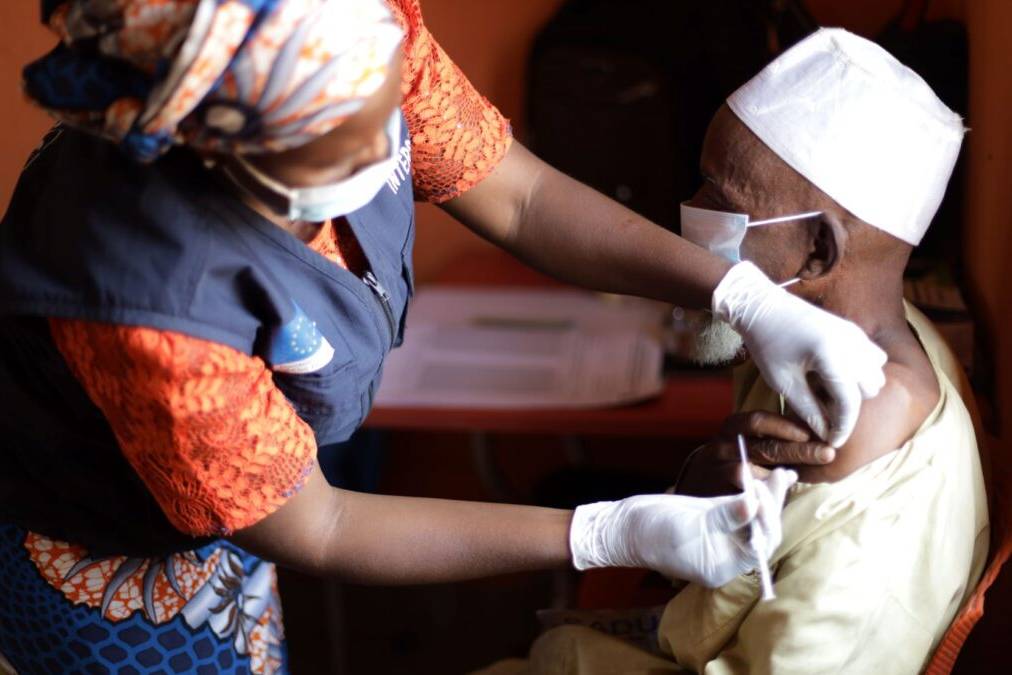
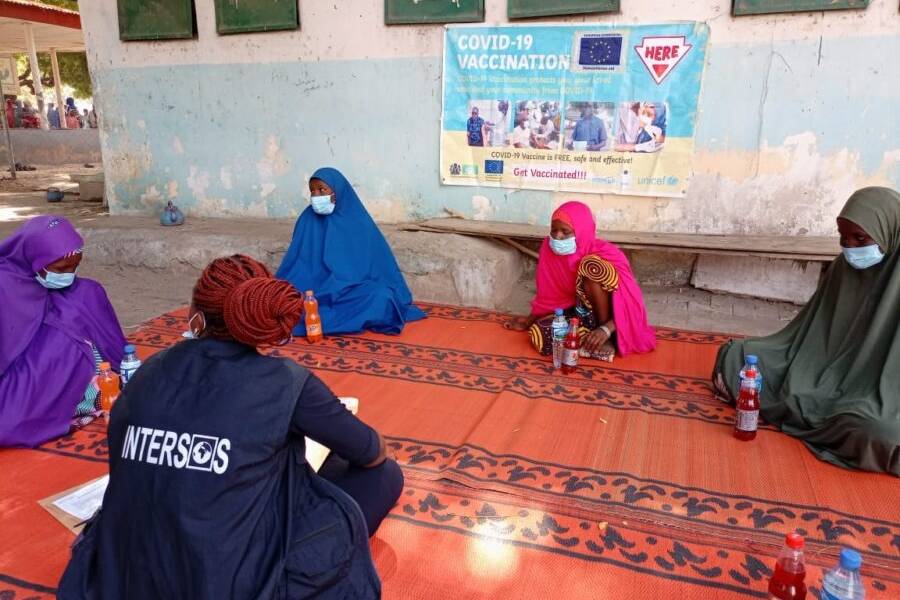
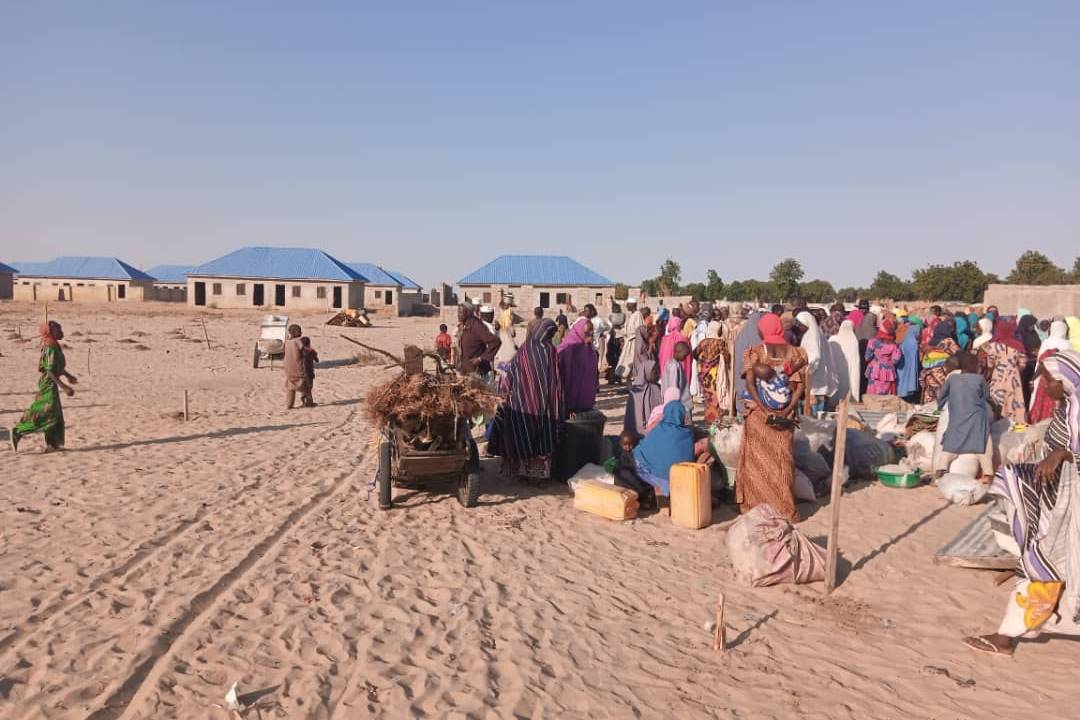
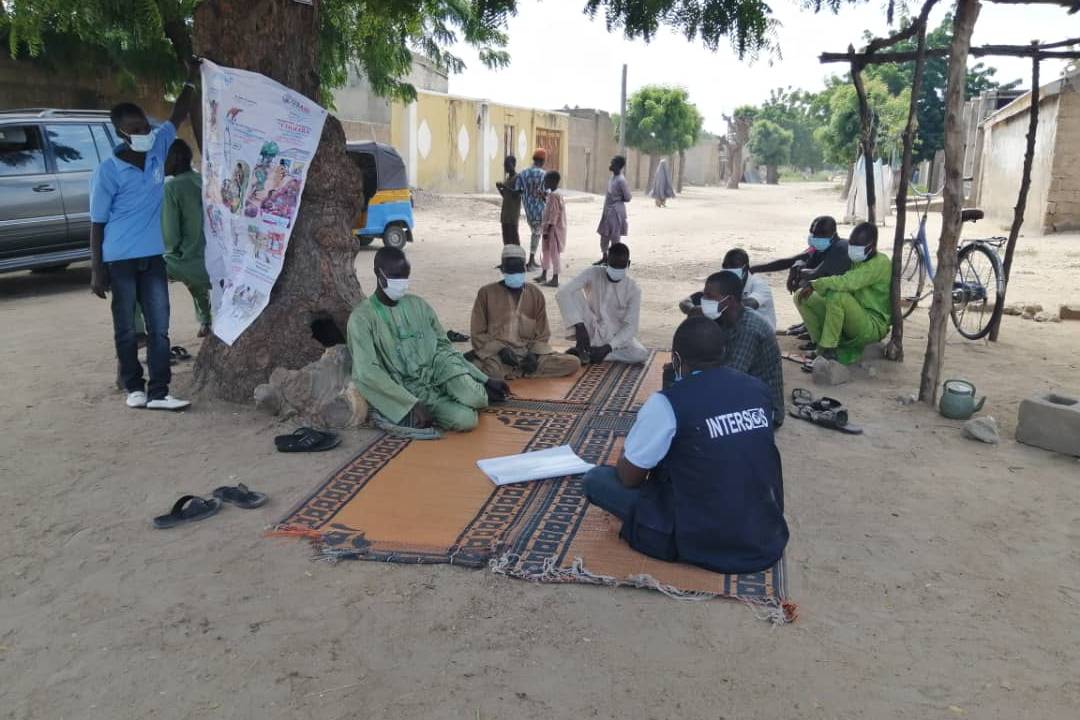
In 2025, INTERSOS committed to responding to the crisis, operating in the states of Borno (North-East) and Zamfara (North-West). The organisation provided assistance to more than 400,000 people, with a priority focus on women, children under five and newly arrived displaced people in camps, often in conditions of extreme vulnerability.
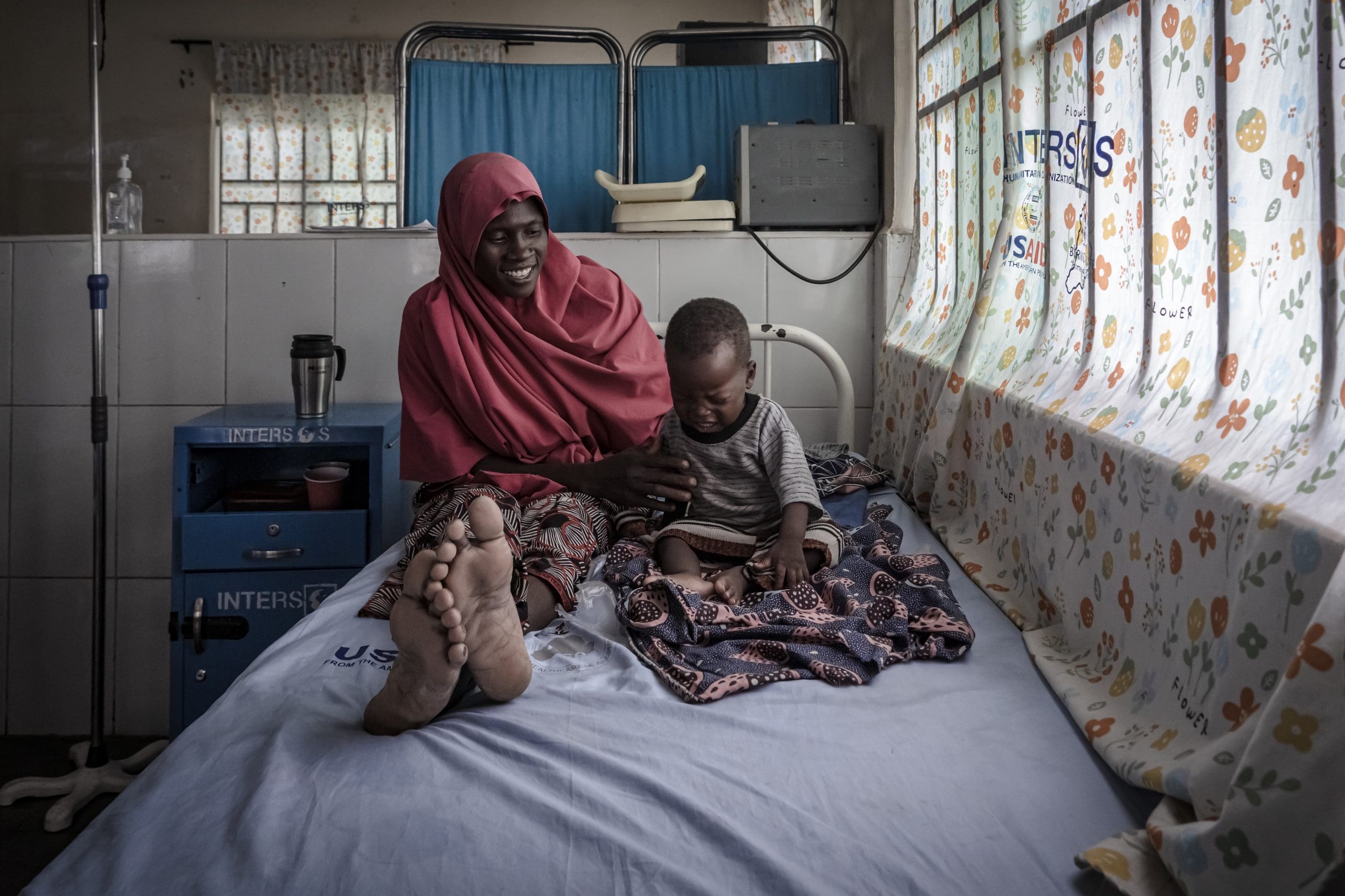
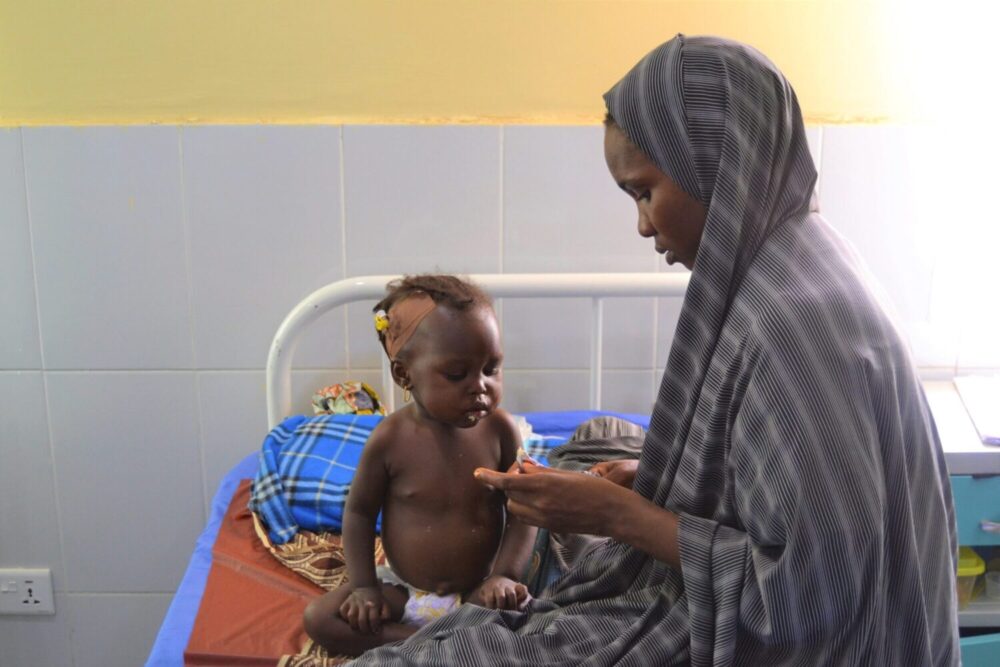
Our teams carried out over 105,000 medical consultations, providing basic healthcare in isolated and conflict-ravaged areas. Faced with a doubling of acute malnutrition rates, 15,000 children were taken into care, combining medical treatment with the distribution of therapeutic food. A significant initiative in the North-West was the community-led production of ‘Tom Brown’, a fortified food supplement produced with the direct involvement of families, transforming the emergency response into an opportunity for training and building resilience within the local community.
Over 171,000 people received food assistance, often through cash transfers that allow families to buy what they need most. At the same time, our teams took on 386 cases of gender-based violence and child protection, offering not only psychological and legal support, but also direct financial aid. Finally, INTERSOS has reaffirmed its role in logistics: by managing shared warehouses and consolidating air cargo in Maiduguri, it has enabled 41 partner organisations to store and transport over 6,000 tonnes of aid to remote and otherwise inaccessible areas, ensuring that relief supplies reached their destination despite the insecurity of road routes.