
2015
First intervention

265,300
People reached

10
Projects

2,913,116€
Budget spent
Context
In 2025, Cameroon continued to face a complex and protracted humanitarian crisis, fuelled by ongoing armed conflicts and climate shocks. Tensions in the North-West and South-West regions, present since 2016, compounded the insecurity caused by armed groups in the Far North and the influx of refugees from the Central African Republic into the eastern regions. This situation has created humanitarian needs for around 3.3 million people, with growing pressure on basic social services due to the presence of over 510,000 internally displaced persons and around 125,000 refugees . Priority needs remain linked to food security, health, protection — particularly against gender-based violence — and access to water and education.
From an operational perspective, the year was marked by a sharp decline in available resources. The 2025 Humanitarian Response Plan required funding of $359.3 million, but the coverage of needs remained limited due to a significant drop in international funding. The combination of funding shortages, insecurity and access difficulties drastically reduced response capacity: the rate of coverage of humanitarian needs plummeted from 76% in 2024 to 48% in 2025. Although efforts reached around one million people, the gap between the population’s needs and response capacity remains extremely critical.


INTERSOS’ intervention
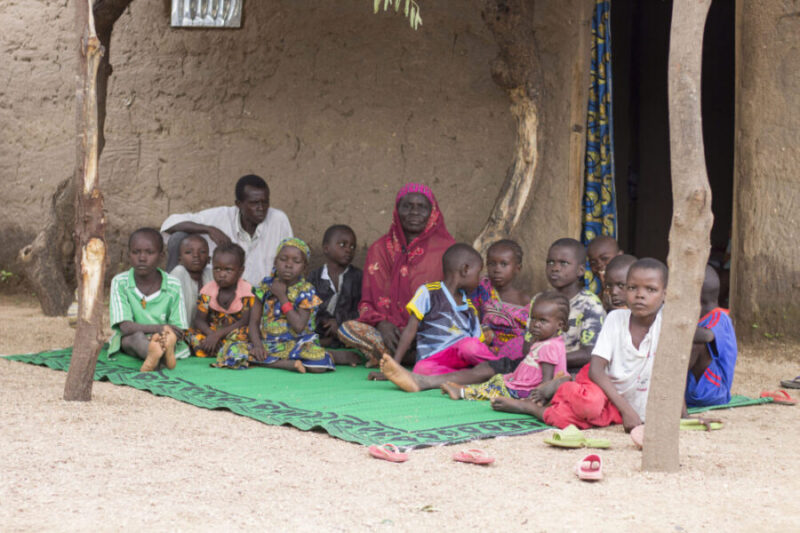
In 2025, INTERSOS responded to the humanitarian crisis in Cameroon, reaching over 200,000 people, including internally displaced persons, refugees and host communities in the Far North, North-West and South-West regions. The response was based on three key pillars: protection, food security and nutritional health, adopting an approach that combines emergency assistance with the development of sustainable solutions.
In the area of protection, we ensured constant monitoring of human rights violations and took charge of the most vulnerable and complex cases. Particular attention was paid to survivors of gender-based violence, ensuring emergency medical care within 72 hours, psychosocial support and individual case management. Furthermore, we engaged male community leaders, assigning them the role of ‘agents of change’ – that is, individuals trained to promote gender equality and prevent violence within their own communities.
For children, INTERSOS has maintained child-friendly spaces, safe places dedicated to the psychological well-being of boys and girls.
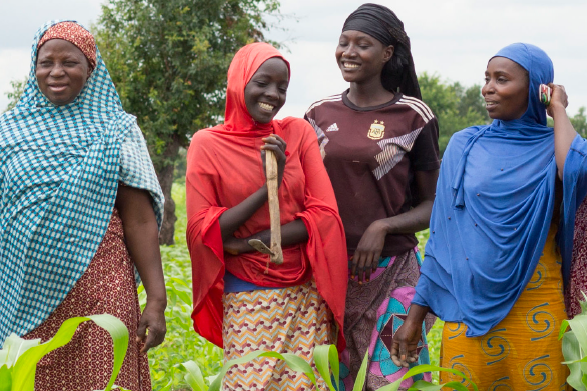
In the area of food security, INTERSOS provided assistance to over 165,000 people. In addition to distributing food and financial aid, the intervention focused on people’s self-sufficiency through the creation of productive resources: community gardens and solar irrigation systems were set up. These initiatives, combined with the development of savings and credit groups within the villages, have fostered the financial autonomy of families, especially women.
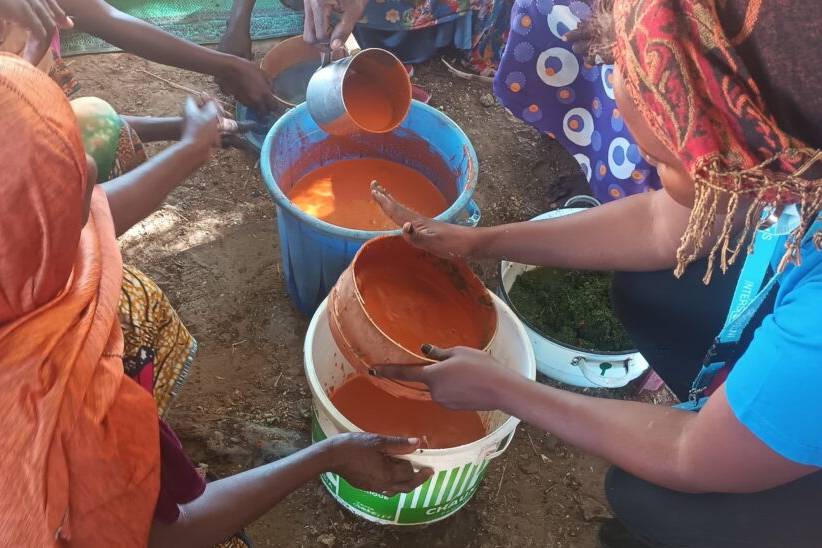
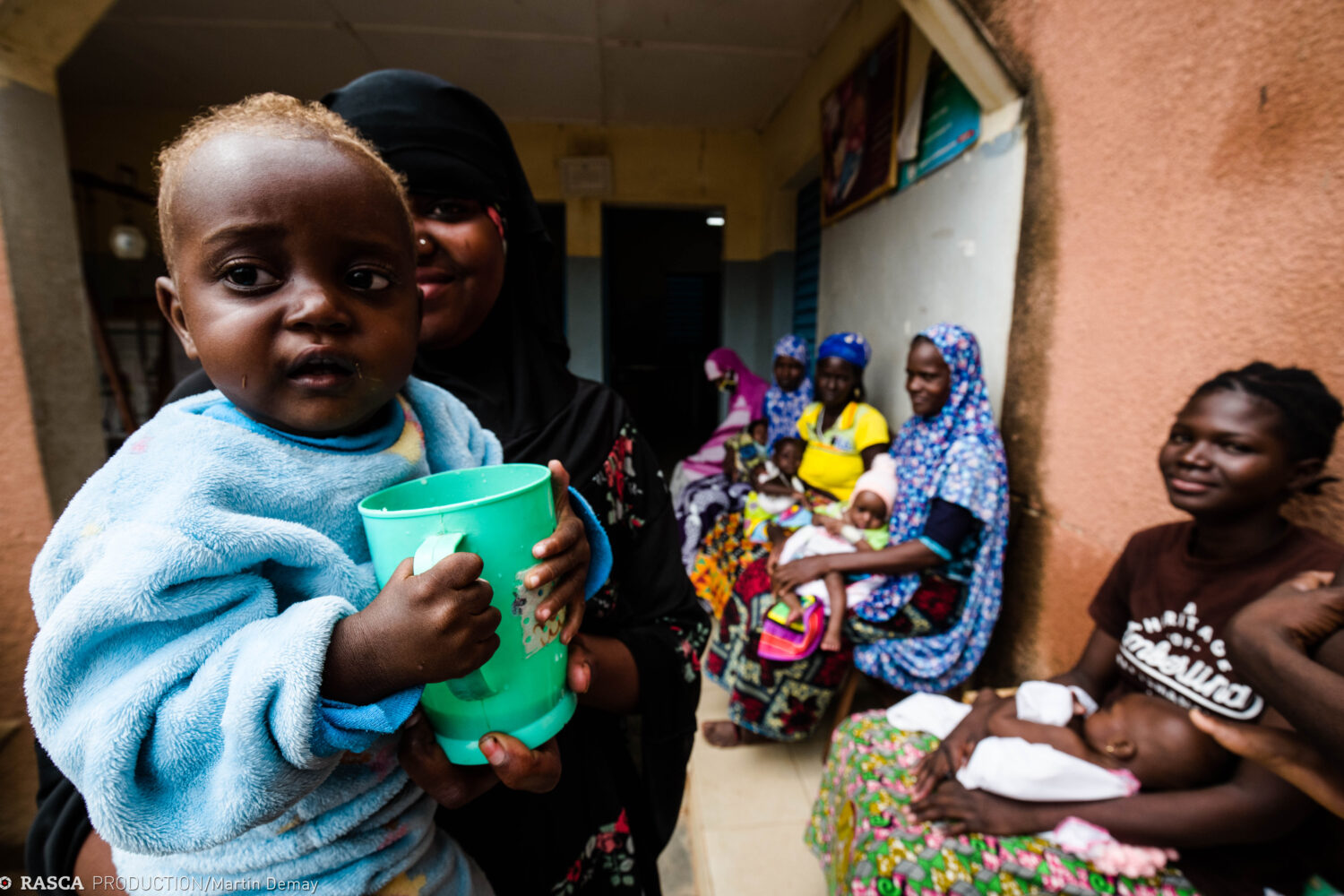
In the area of health and nutrition, we provided support for child and maternal malnutrition through active screening and financial support. The effectiveness of the interventions was enhanced by sharing workshops, where mothers in the community share healthy eating practices using local resources. This approach, which integrates the use of sustainable technologies and the strengthening of local skills, has enabled us to address the challenges posed by the dual crisis – climate and security – transforming the humanitarian response into a path towards community resilience.