
2019
First intervention

213,100
People reached

10
Projects implemented

2,638,935€
Budget spent
Context
Burkina Faso is plagued by a severe humanitarian crisis which, since 2015, has continued to create significant needs for the civilian population. The national situation is characterised by steady population growth and high vulnerability to climate change. At regional level, 2025 marked a significant political transition with the country’s withdrawal from the Economic Community of West African States (ECOWAS), redefining the dynamics of integration and the channels of international cooperation in the Sahel region.
Although, in the western region, improved security conditions in 23 localities have allowed for the restoration of humanitarian access and the flow of goods, vast areas of the country remain isolated. The influx of displaced people into more stable communities is placing a heavy strain on scarce local resources, making protection and primary assistance interventions urgent.
Humanitarian action in 2025 has had to contend with a drastic reduction in global funding, which has necessitated the restructuring and temporary suspension of essential programmes. As of 31 December 2025, the humanitarian response plan is only 33.1% funded, despite needs that remain among the highest in the region.



INTERSOS’ intervention
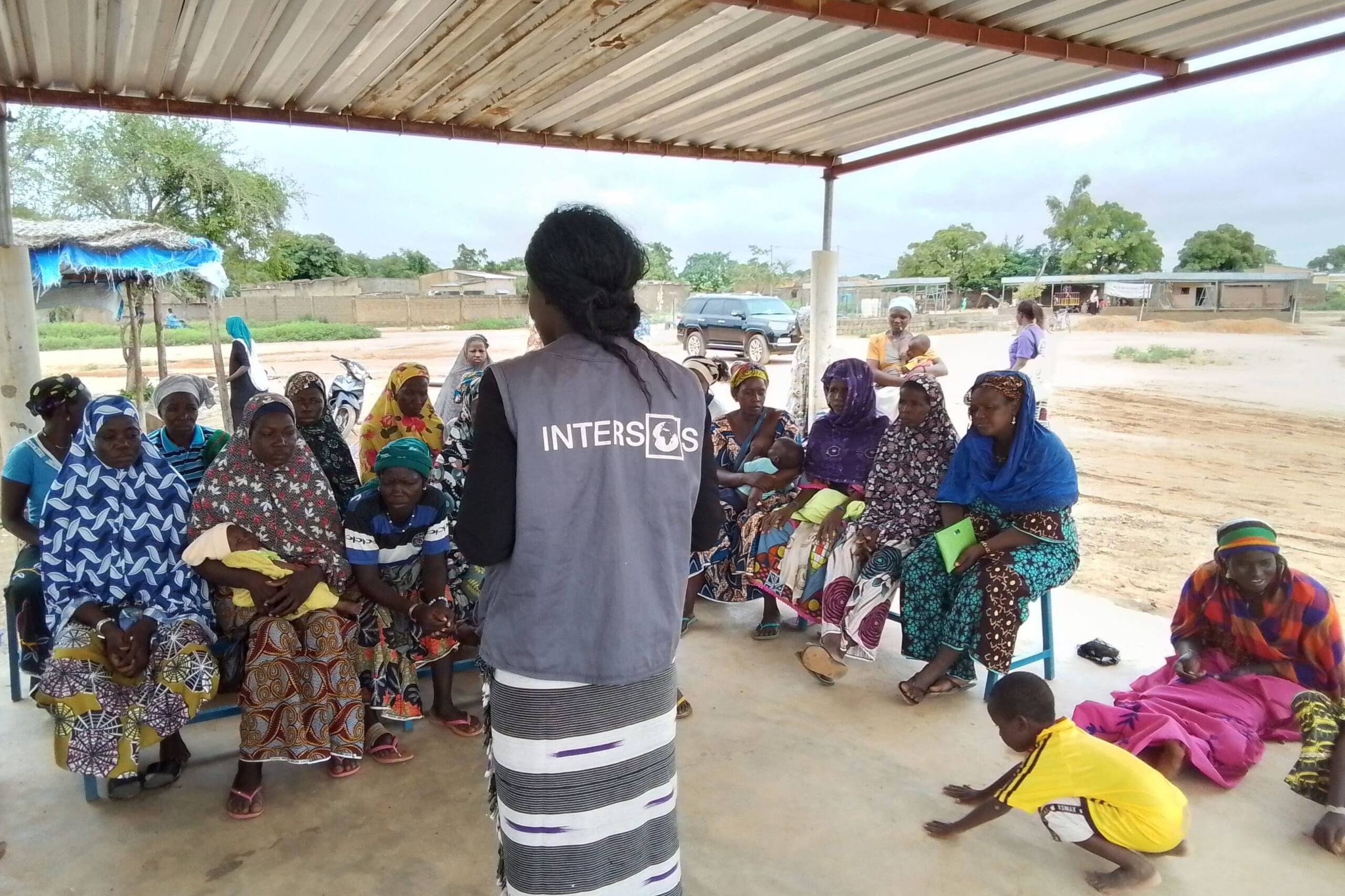
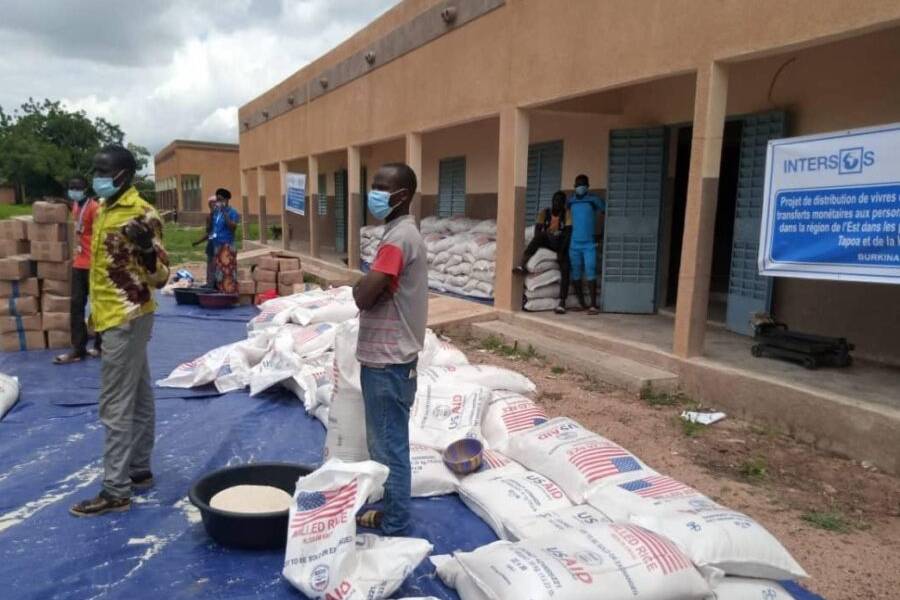
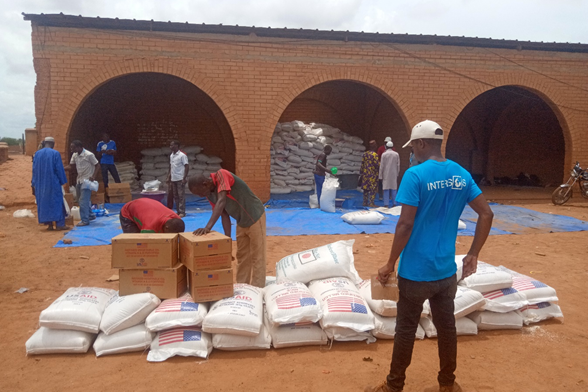
Throughout 2025, INTERSOS operated in Burkina Faso to address the needs of displaced populations, host communities and the most vulnerable groups, with a particular focus on women, children and people with specific needs. The intervention covered the sectors of protection, health and nutrition, emergency education and water and sanitation services, ensuring a comprehensive humanitarian response.
Protection activities formed the main pillar of the operational strategy. Through its network of field workers present daily within the communities, INTERSOS ensured comprehensive monitoring across five regions, which enabled the identification of over 1,500 cases of extreme vulnerability, providing psychosocial support and access to safe spaces for thousands of survivors of gender-based violence. One innovative element was the integration of support for victims of improvised explosive devices, ensuring access to necessary assistance and protection services for those affected and raising community awareness of the risks associated with such devices. At the same time, we provided legal support, particularly for the production of civil documentation, including over 5,200 birth certificates and identity documents, which are essential for accessing fundamental rights. In the area of child protection, interventions focused on preventing child labour and reintegrating children affected by the conflict.
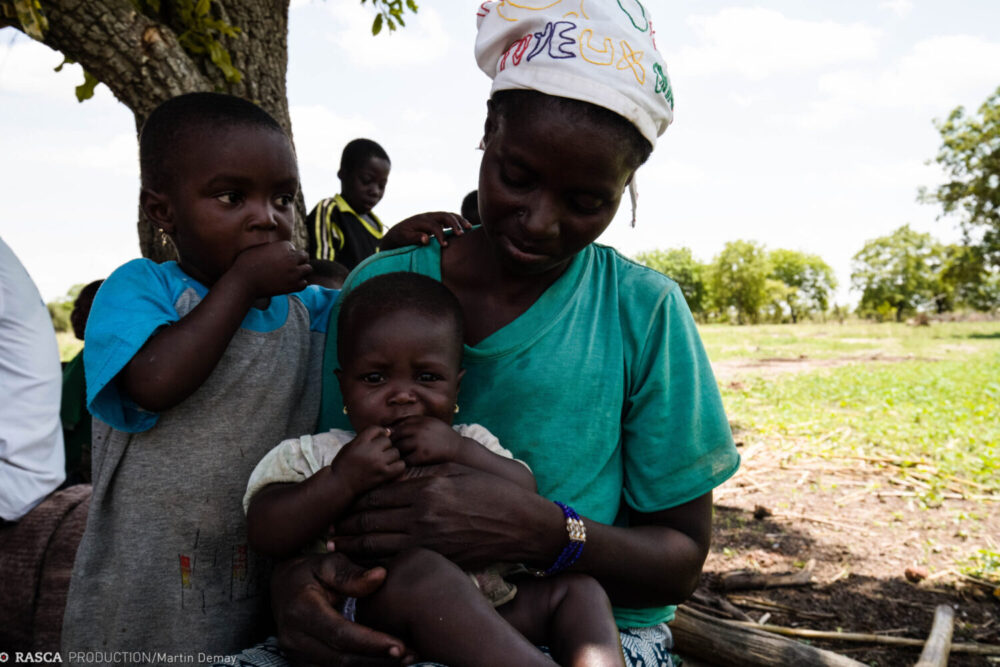
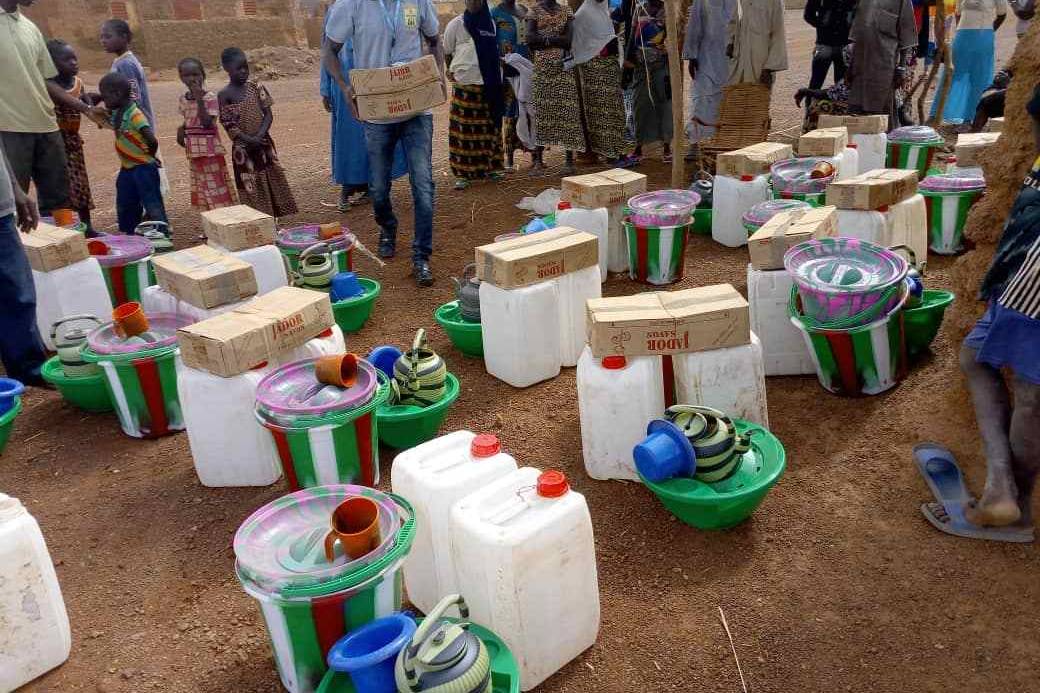
In the health and nutrition sector, support for local facilities enabled nearly 23,000 medical consultations to be carried out and thousands of children under five to be assisted through screening activities to identify cases of malnutrition and treatment interventions for severe and moderate acute forms. We also ensured the supply of medicines, the rehabilitation of essential infrastructure such as the maternity ward in Tougou, and the deployment of mobile units for malnutrition screening. In terms of Education and WASH (Water and Sanitation) activities, INTERSOS ensured access to schools for around 30,000 students, rehabilitating wells and inclusive latrines and distributing menstrual hygiene kits to thousands of girls, thereby encouraging them to stay in education.
Finally, the organisation has invested in strengthening the capacities of local civil society organisations, providing practical tools and training on security risk management, thereby fostering a humanitarian ecosystem that is better prepared and more aware of how to manage the challenges of the region.