2011
First intervention in the country

4.800
People reached

2.685.520€
Activities budget
Context
In 2023, 157.000 people arrived in Italy via the Central Mediterranean route, an increase of 50% compared to the previous year. The main country of origin is Guinea, followed by Tunisia, Ivory Coast, Bangladesh, Egypt, Syria, Burkina Faso, Pakistan, Mali and Sudan. The number of arrivals from Guinea and Ivory Coast increased significantly compared to 2022, while the number of arrivals from the Middle East decreased. Regarding the data on departures in the Central Mediterranean in general, the arrivals of people of different nationalities from Tunisia increased by 200% across Europe, despite the Memorandum of Understanding aimed at curbing migration flows. Of those arriving in Italy in 2023, 17% were minors, the majority of whom were unaccompanied (12%).
Thousands of arrivals from the Balkan route were also registered by the associations operating on the Italian-Slovenian border, although no definitive figure is available.
At the end of the year, about 139,000 people were accommodated in reception facilities, including Extraordinary Reception Centres, Reception and Integration System and Hotspots, a significant increase compared to 2022, when there were 105,000.


INTERSOS in Italy
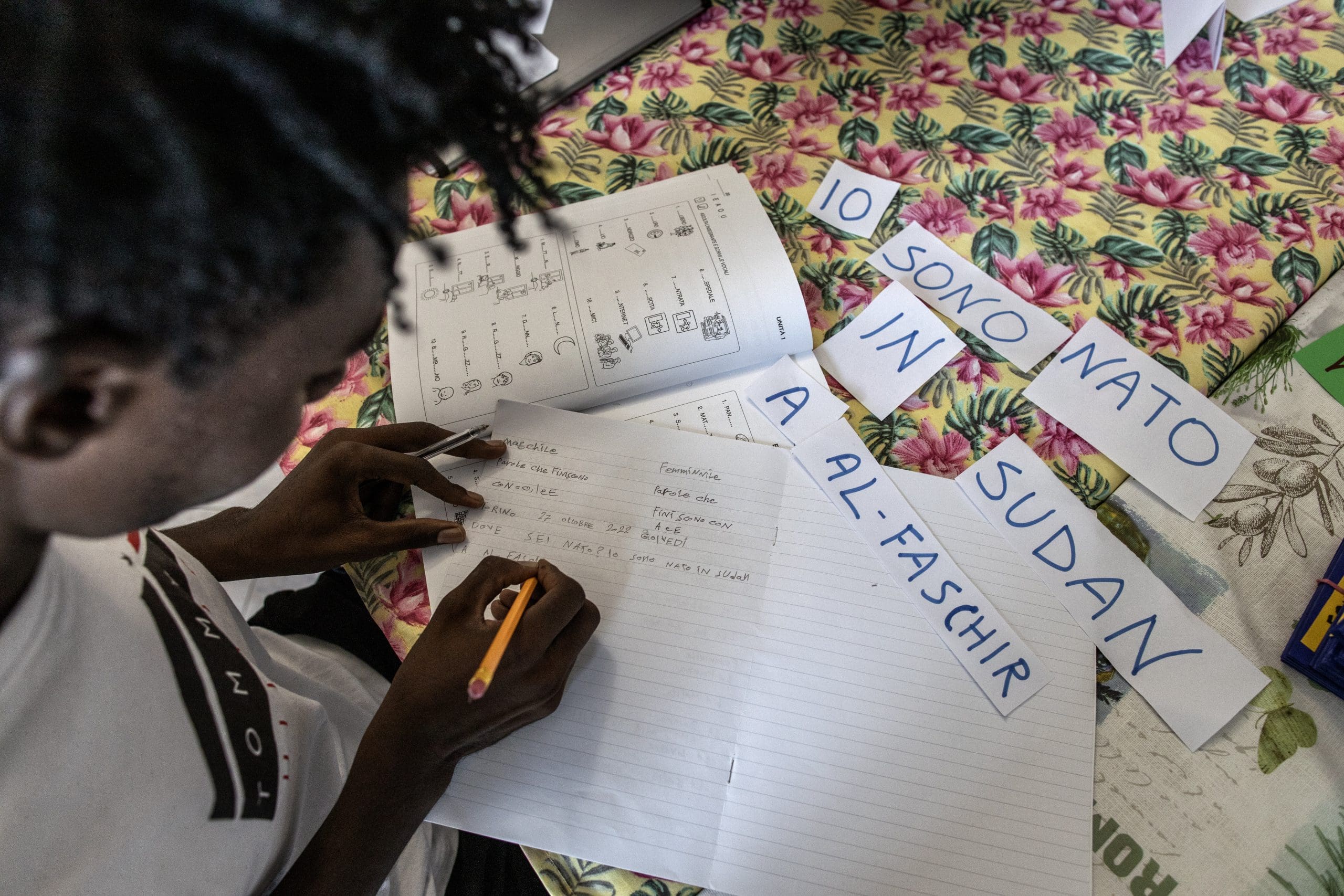
INTERSOS has been working in Italy since 2011 with protection, psychosocial and health care and social and economic inclusion projects for people in conditions of extreme vulnerability, including unaccompanied foreign minors (UFM) and people who have survived or been exposed to gender-based violence and labour exploitation.
INTERSOS’ first intervention in Italy started in response to the Afghan refugees emergency in the Ostiense station in Rome, with the opening of the informal night shelter A28, which provided assistance to minors in transit, forced to sleep on the streets or in makeshift shelters, exposed to the risk of abuse, violence and trafficking. The A28 centre represented one of the main protected places for unaccompanied minors in transit in Italy, offering reception and service orientation to about 6,000 young people between 2011 and 2017. In 2017, the project later evolved, transforming into the new INTERSOS24 multi-sectoral territorial centre, located in Torre Spaccata, a neighbourhood on the outskirts of Rome characterised by high rates of economic poverty and social distress.
Over the years, INTERSOS activities in Italy have expanded, reaching other regions and contexts characterised by high rates of social distress. INTERSOS currently operates in Rome, Foggia, Palermo, Turin, Milan, Bologna and Naples.
In 2023, INTERSOS consolidated its presence in Lazio, Puglia and Sicily, implementing several projects in the areas of protection, psychosocial and healthcare, social and economic integration, targeting people in situations of extreme vulnerability, including unaccompanied foreign minors and people who have survived or been exposed to gender-based violence and labour exploitation.
In the Lazio region, we are active in Rome, where we provide protection, healthcare, training and job placement services to migrants, refugees and local population, through our two centres – INTERSOS24 and INTERSOS LAB – and a clinic and a mobile team as part of an intervention we carry out together with UNICEF Italy.
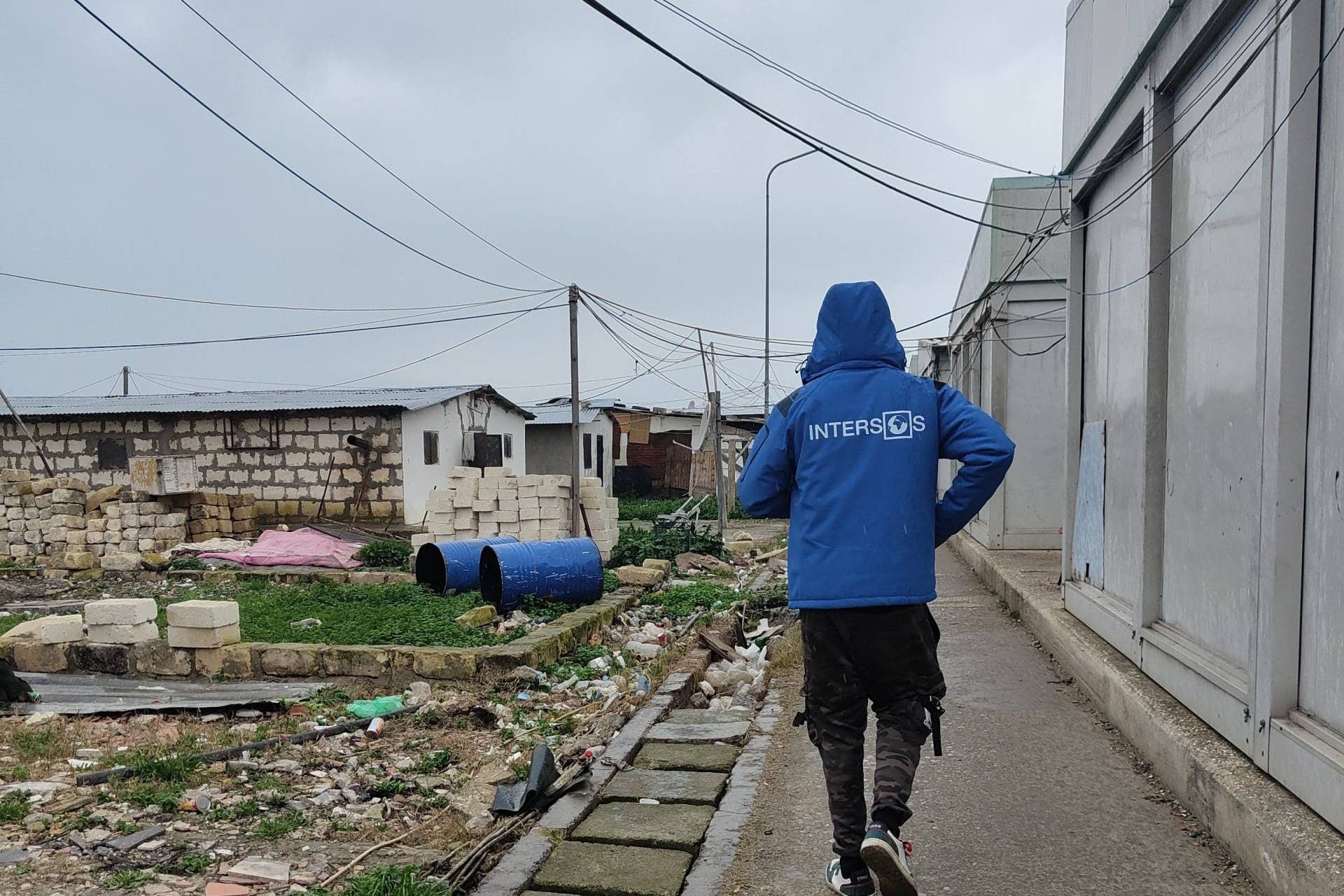
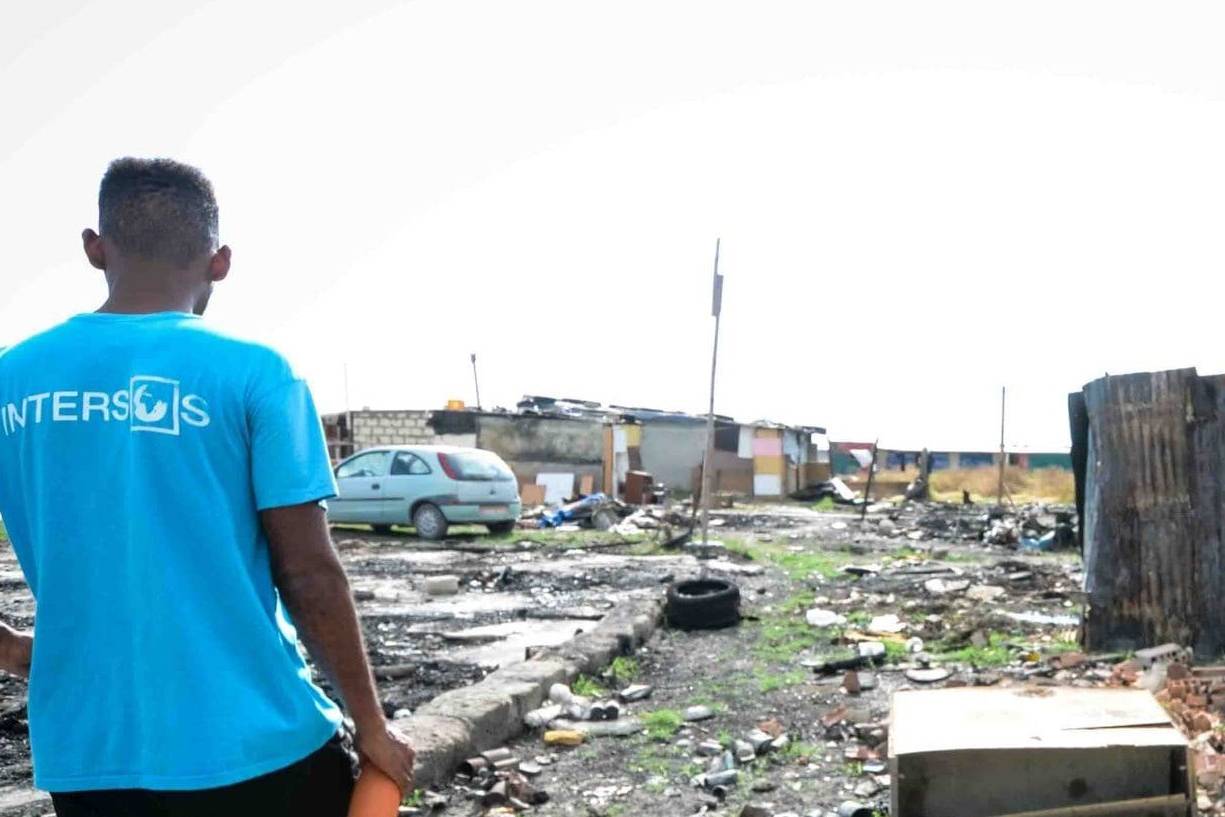
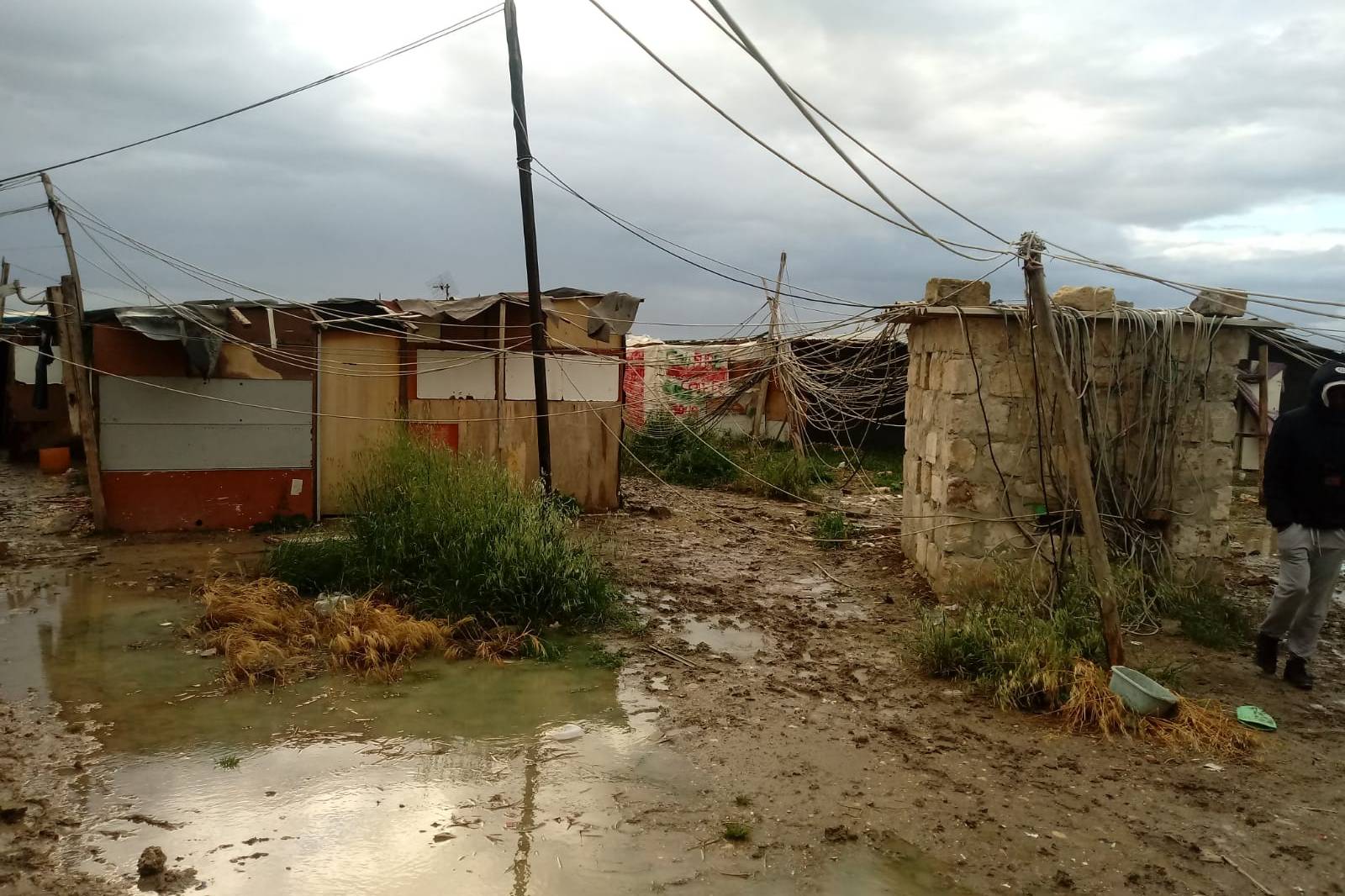
In the Apulia region, we continued our activities in the Capitanata area in Foggia, where we provide social and health assistance to people living in informal settlements in the province. In Sicily, in the provinces of Palermo, Agrigento and Trapani, we worked to ensure access to healthcare for migrants and refugees.
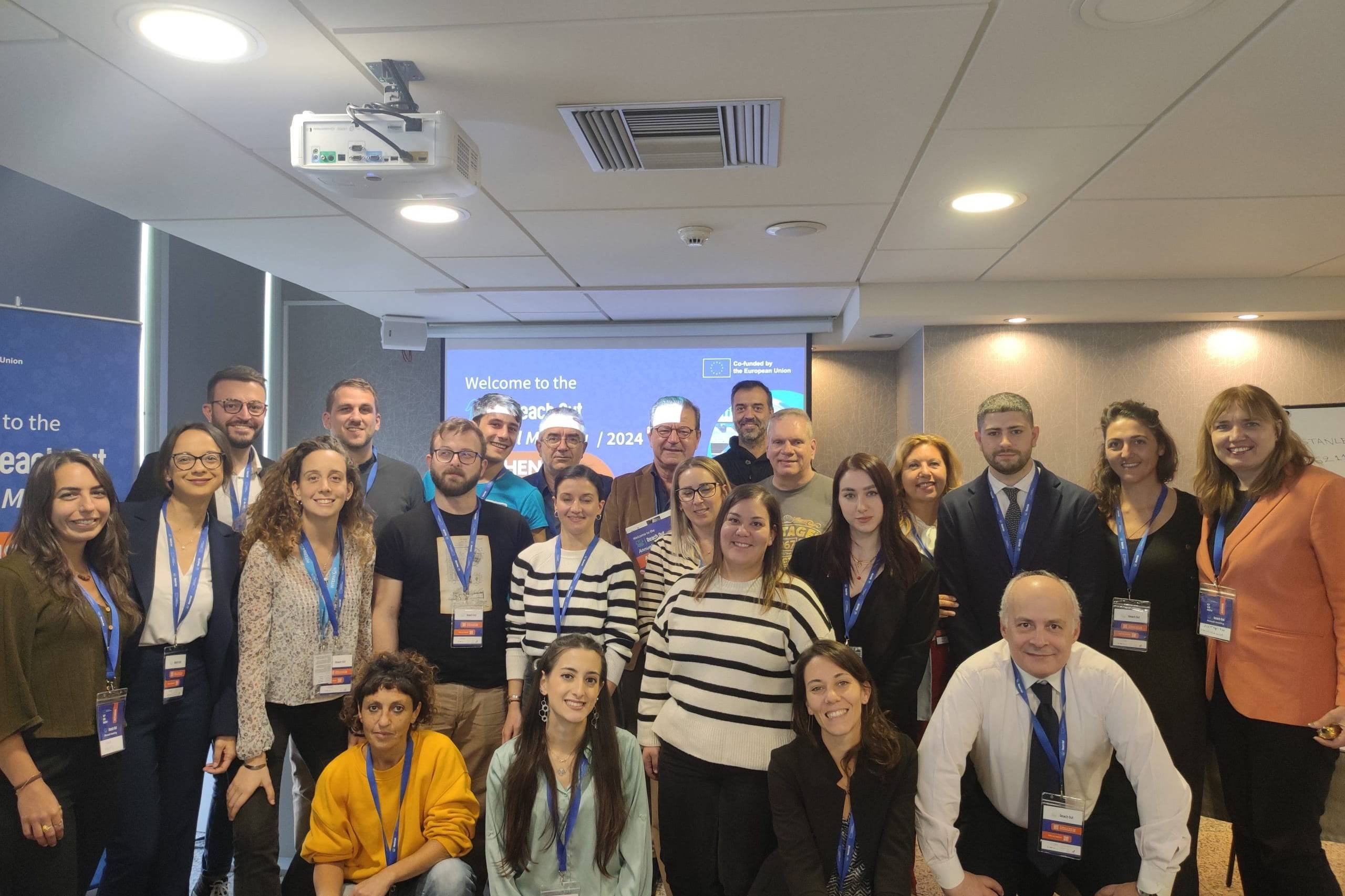
Together with UNHCR, we have coordinated two projects in Italy to strengthen community protection mechanisms for refugees, asylum seekers and stateless persons in Italy: PartecipAzione and VOC – Volunteers of Community. Both projects support networks of volunteers, associations and informal groups led by refugees in the regions of Lombardy, Piedmont, Emilia Romagna, Lazio, Campania, Calabria and Abruzzo.