
2003
First intervention

51,800
People reached

6
Projects

3,841,497€
Budget spent
Context
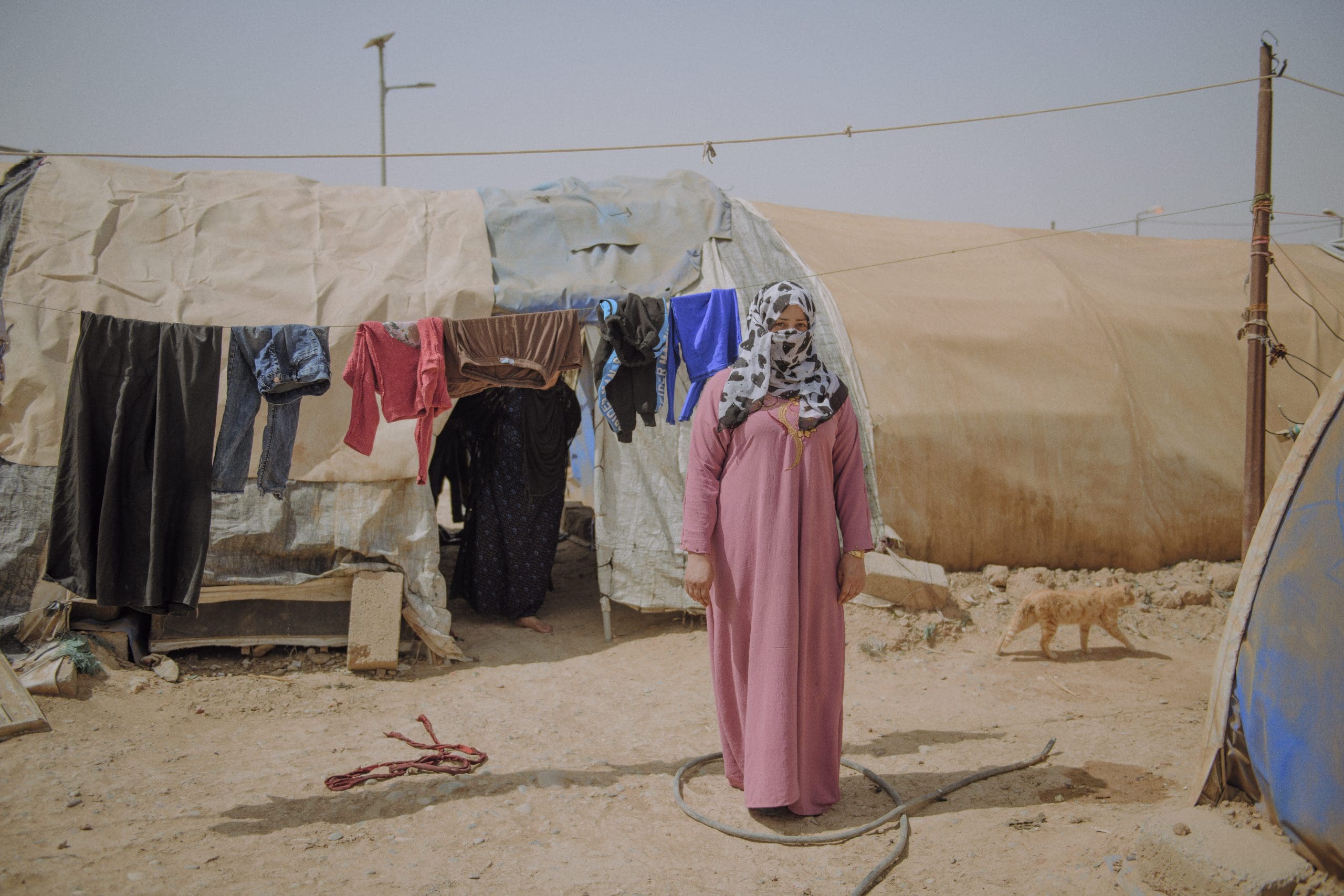
Iraq’s social fabric remains deeply fragmented. Although nearly 5 million people have managed to return to their home areas, some 915,000 individuals remain internally displaced. The return process has now reached a standstill, hampered by legal, economic and security obstacles. This vulnerability is exacerbated by a fiscal crisis that has eroded public services, forcing many families to resort to extreme and harmful ‘coping strategies’, such as debt and child labour.
A key problem remains the lack of civil documentation. Without identity documents, it is impossible to access fundamental rights and basic services, especially for those suspected of having had links to the previous regime.
In addition to social tensions, Iraq faces severe climate fragility: the country is now among those most exposed to global warming. Drought and water scarcity have become the main drivers of new displacements, forcing some 186,000 people to leave the southern governorates to seek refuge in urban centres.
The picture of vulnerability is completed by the presence of over 300,000 Syrian refugees, concentrated mainly in the Iraqi Kurdistan Region, who live in a context where spaces of protection – that is, those where rights and security are guaranteed – are progressively shrinking. In response to this transition, the humanitarian framework has evolved towards a model centred on long-term development and government-led durable solutions, seeking to move beyond the emergency phase to address the root causes of the country’s fragility.


INTERSOS’ intervention
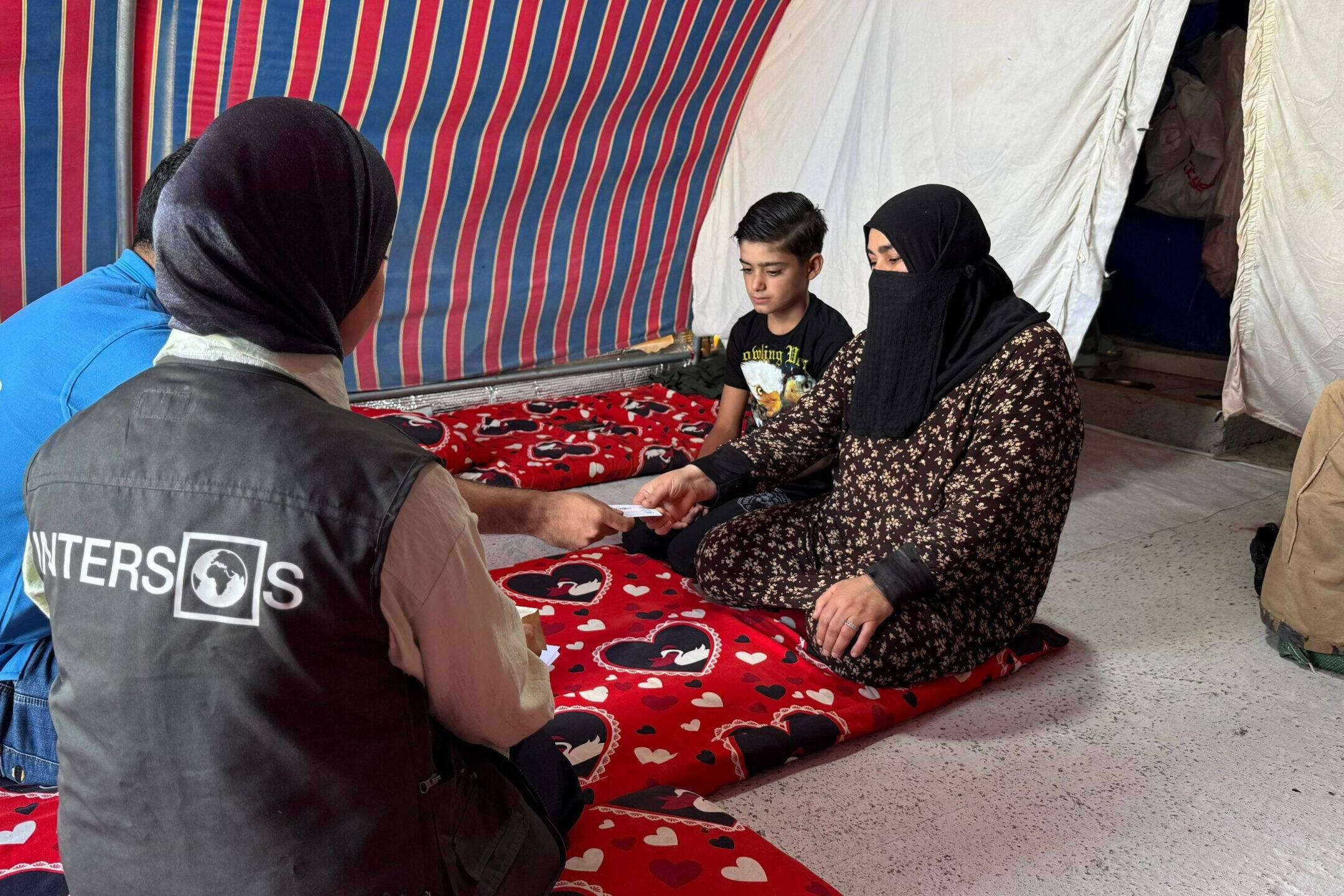
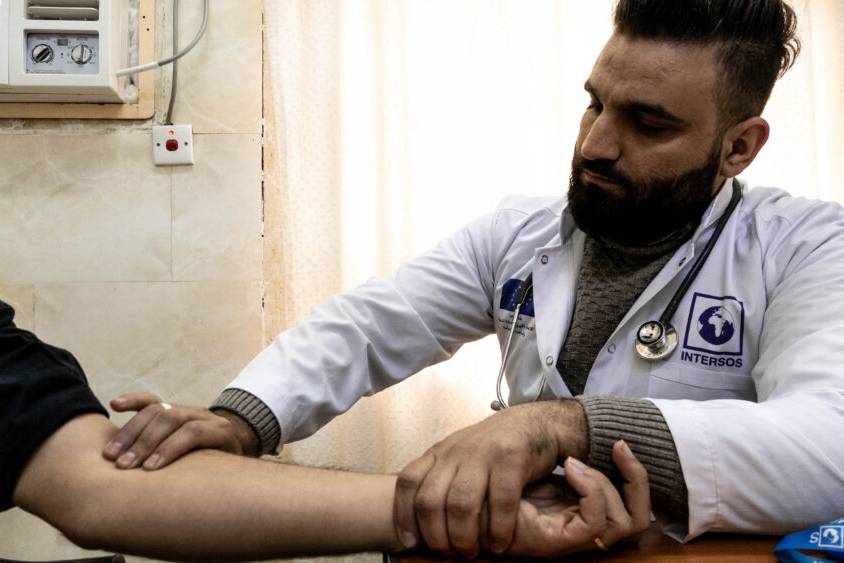
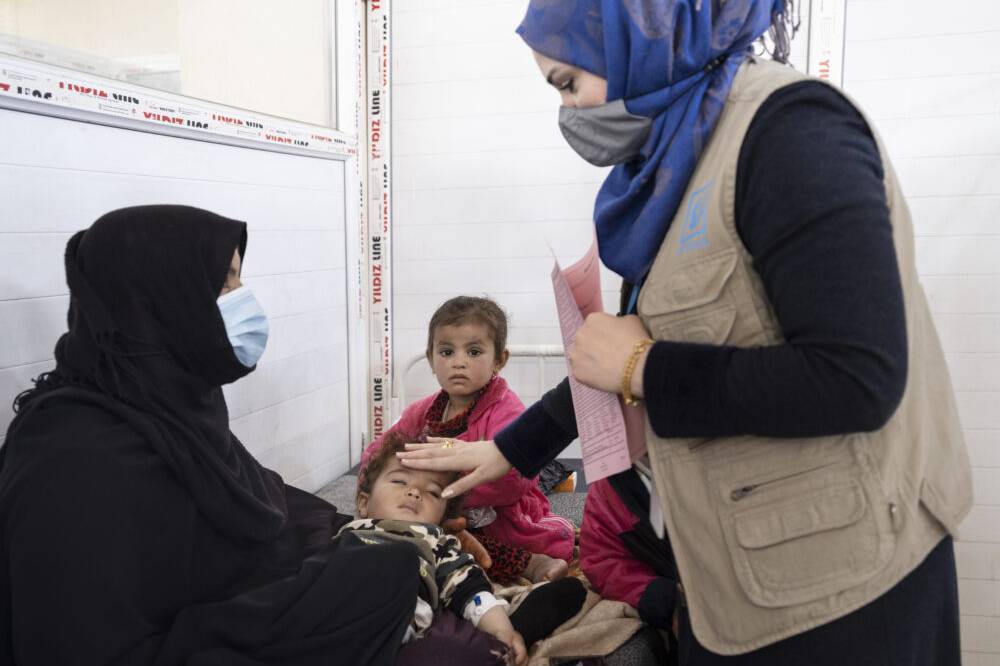
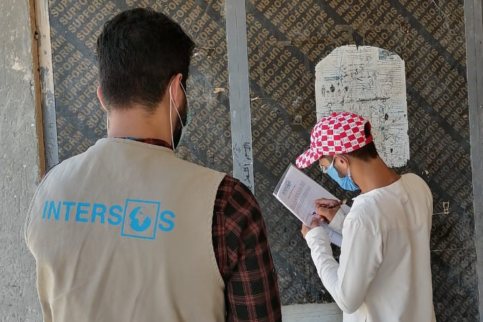
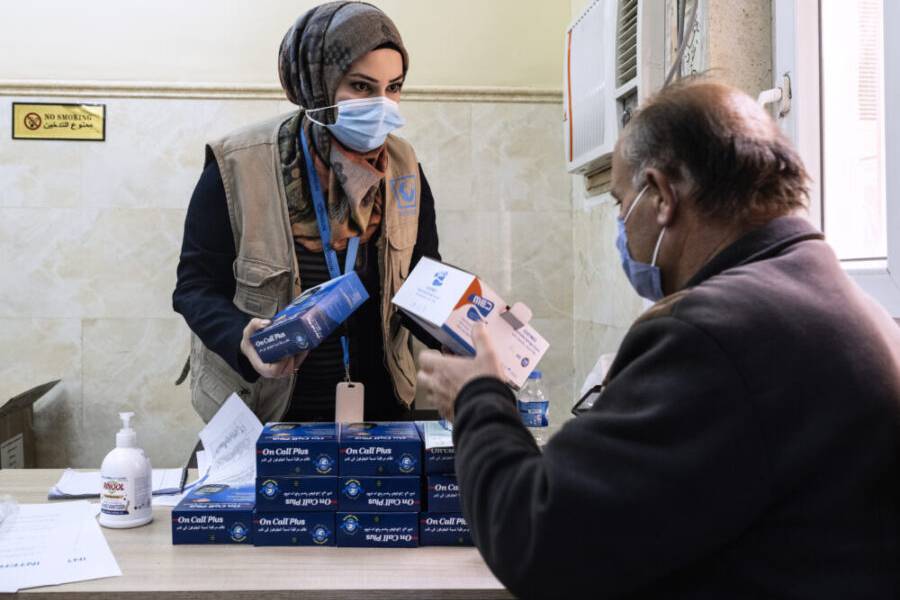
In 2025, INTERSOS consolidated its operations in Iraq in the sectors of education, protection and water and sanitation services, working in the governorates of Erbil, Sulaymaniyah, Ninewa and Salah al-Din. The organisation’s work focused on creating a safe and inclusive environment for children and families from refugee, internally displaced, returnee and local communities.
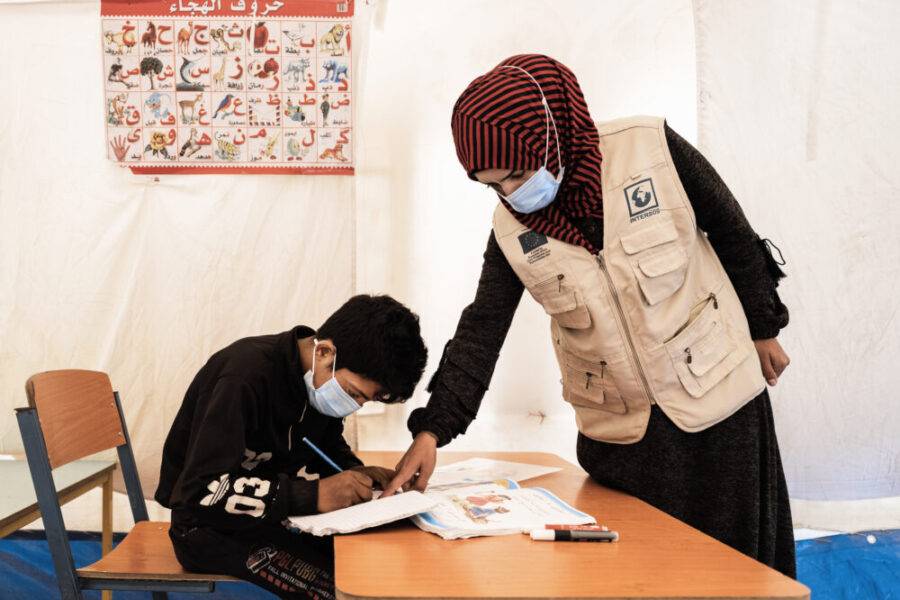
In the education sector, efforts centred on combating school dropout rates and improving the quality of learning. Students benefited from remedial courses and Kurdish language lessons, whilst school infrastructure was rehabilitated. Particular attention was paid to inclusivity, with the construction of ramps and adapted toilets to ensure access to education for children with disabilities. At the same time, in the protection sector, we addressed the legal and social barriers affecting the most vulnerable. INTERSOS provided legal assistance to help people obtain civil documents and access justice, as well as managing cases of gender-based violence and child protection, including through work within women’s shelters.
A key innovation was the integration of environmental sustainability into school and community activities. In Sinjar, INTERSOS promoted a climate change adaptation strategy, involving over 1,100 people in awareness-raising sessions on water conservation and waste management. Through the creation of ‘climate clubs’ in schools and reforestation projects, such as tree planting for Earth Day, the organisation has fostered a shared sense of climate responsibility. This unique approach, combining education and active citizenship, has enabled the organisation to tackle environmental challenges crucial to Iraq’s future, whilst promoting local leadership in the search for practical and lasting solutions.