
2022
First intervention

16,700
People reached

5
Projects

1,631,479€
Budget spent
Context
Since February 2022, Moldova has been facing a multidimensional crisis involving humanitarian, economic and energy challenges. Although not a direct theatre of conflict, the country is suffering the repercussions of the war in Ukraine, hosting around 100,000 Ukrainian refugees. A critical development in 2025 was the worsening of the energy crisis, particularly in the Transnistria region, where interruptions to gas supplies have left a large part of the population at risk of being without heating and electricity, increasing the fragility of an area that is already politically unstable.
Humanitarian needs remain concentrated in urban centres, border areas and the Transnistria region. It is estimated that between 20,000 and 25,000 refugees still require ongoing assistance to meet their basic needs. Access to essential services, particularly healthcare, and economic support for host communities have become priorities to prevent social tensions in a context of heavy pressure on public services. In addition to economic insecurity, protection risks remain high, such as gender-based violence and child protection.

INTERSOS’ intervention
In 2025, INTERSOS in Moldova responded to the needs of around 11,000 people, including Ukrainian refugees and vulnerable Moldovan families. Operating extensively across the country — from north to south, including the Transnistria region — the organisation provided constant support to those most exposed to the effects of the crisis, with a particular focus on the elderly, people with disabilities and the Roma community.
INTERSOS provided a referral service to essential services, assisting vulnerable people in accessing the healthcare and legal systems. A key initiative was the mapping of Roma communities displaced from Ukraine, a population that is often invisible and unprotected, for whom INTERSOS coordinated a nationwide needs assessment.
At the same time, through the deployment of mobile medical units and fixed medical posts, we provided consultations and medicines where the public system was unable to reach. In particular, they received vouchers for the purchase of medicines, enabling many elderly people and those with chronic conditions to continue vital treatments that would otherwise have been financially unsustainable.
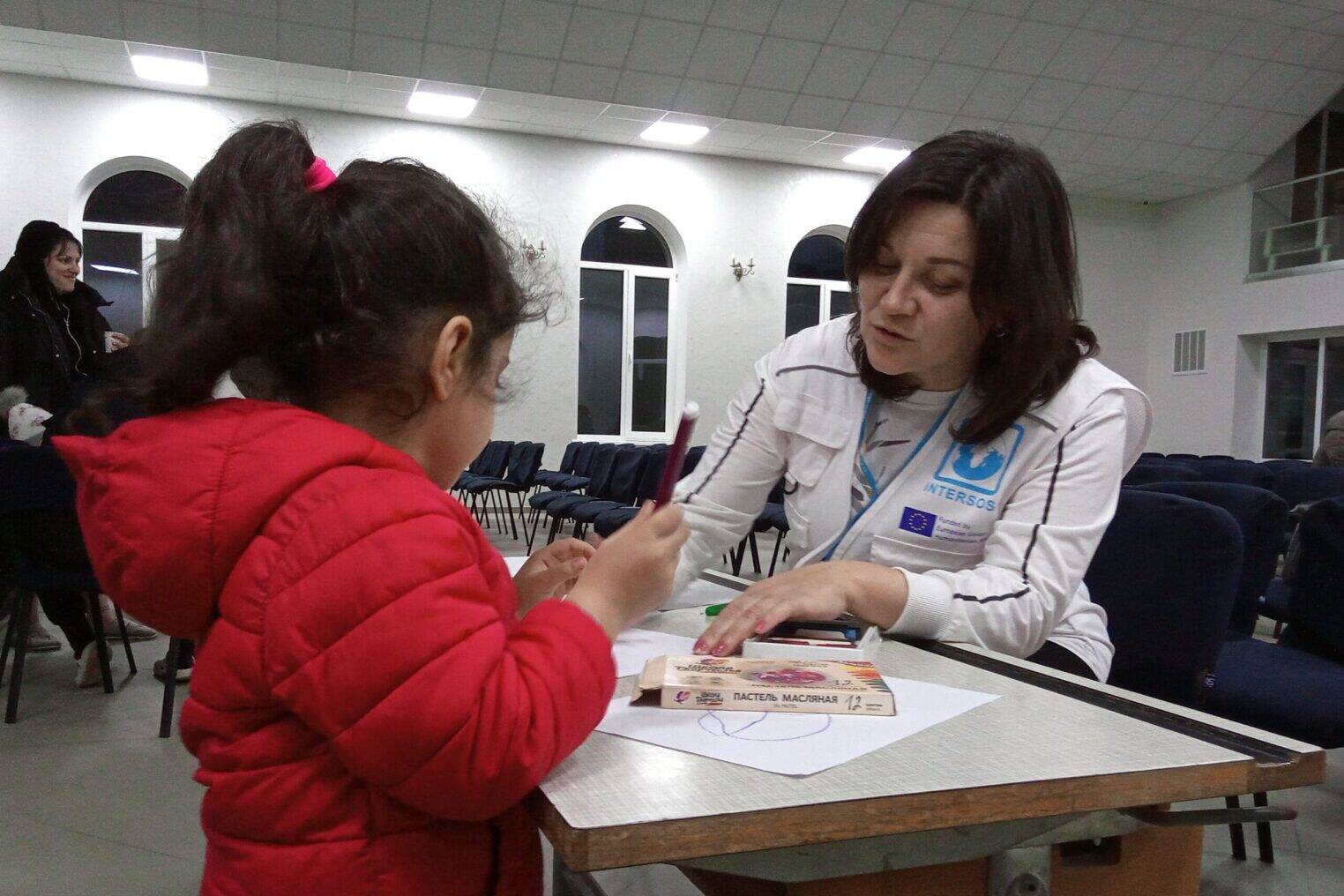
INTERSOS also provided mental health support, a crucial need often overlooked in emergencies. Thanks to our psychologists, vulnerable people have taken part in individual and group therapy sessions to process the trauma linked to the war and the loss of their homes. This integrated approach has enabled us to address physical and mental wellbeing as a single journey, whilst working with local schools and centres to ensure that psychological support becomes a stable and accessible resource for the entire community.