Children of the syrian war, fifteen years later
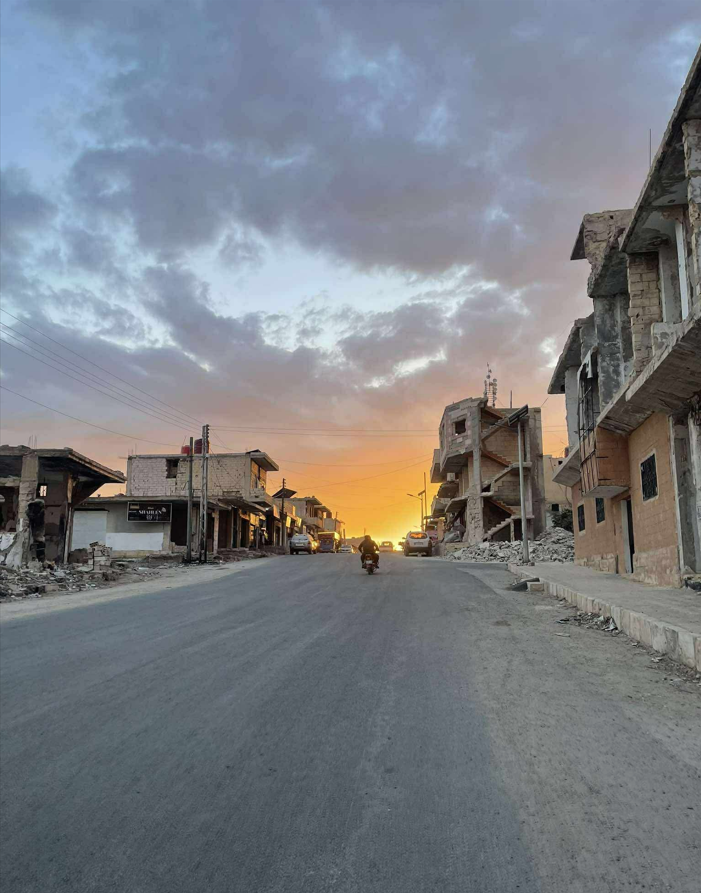
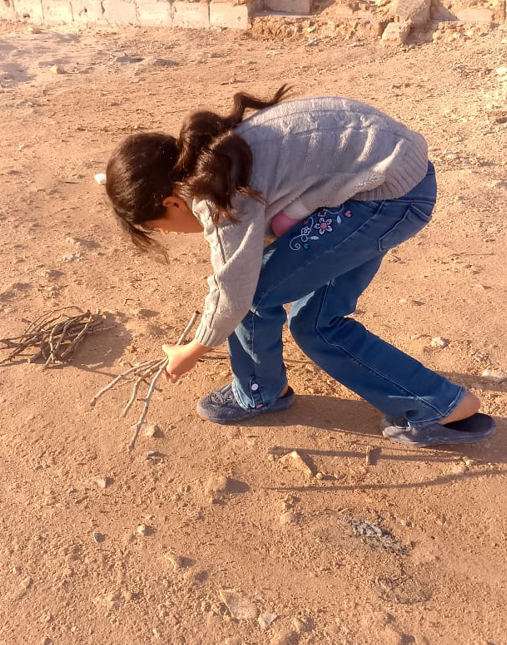
The war in Syria, which began in 2011 and has lasted thirteen years, has caused one of the largest population displacements in history: more than 7 million Syrians have left their homes to seek refuge in safer parts of the country, and around 6 million people have fled across national borders. An entire generation of children was born and raised in displacement, without ever having seen their own city or country of origin. In these children’s eyes, we can see the images of a war passed down through generations and of a country known only through family ties. Their photographs, taken across Syria, Lebanon and Jordan, show how the connection to one’s community is the greatest strength for starting over.
Whilst Syria, after more than a decade of war, is undergoing a period of profound political transformation and grappling with an ongoing humanitarian crisis, INTERSOS, through this photographic project, explores the value of the social connection between children living in the country and their peers who are refugees in Lebanon and Jordan. At this historic moment, understanding these bonds is essential to understanding the impact the conflict has had on these children.
We have pursued this goal through photography, involving Syrian boys and girls in the creation of a photo book that tells their stories through the photos they themselves have taken, intending to raise awareness within the humanitarian community. The aim is also to give children a voice, offering them a platform to express themselves and share their stories with the world.
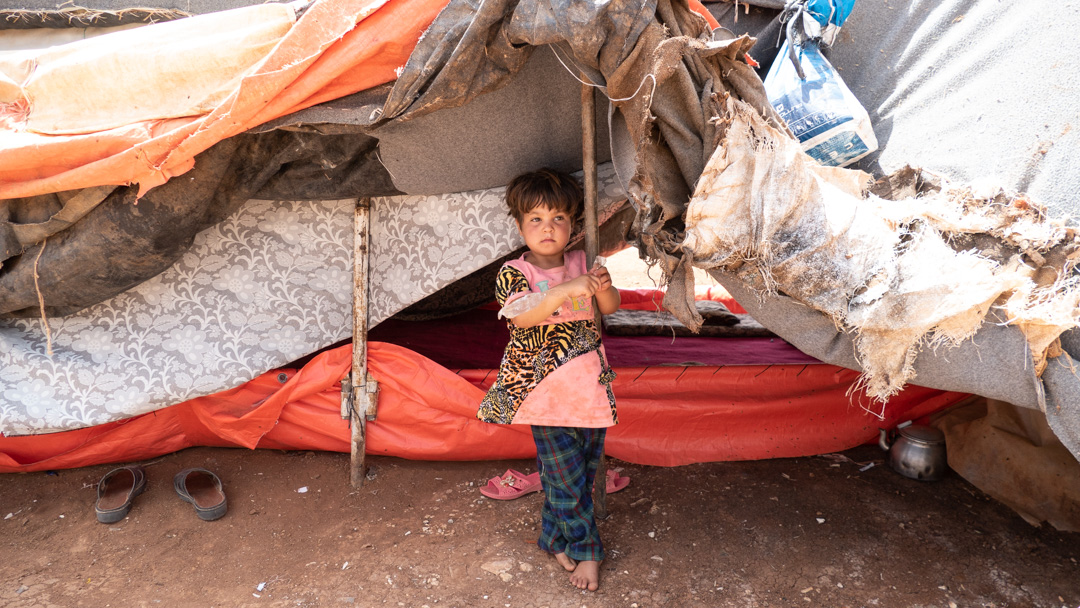
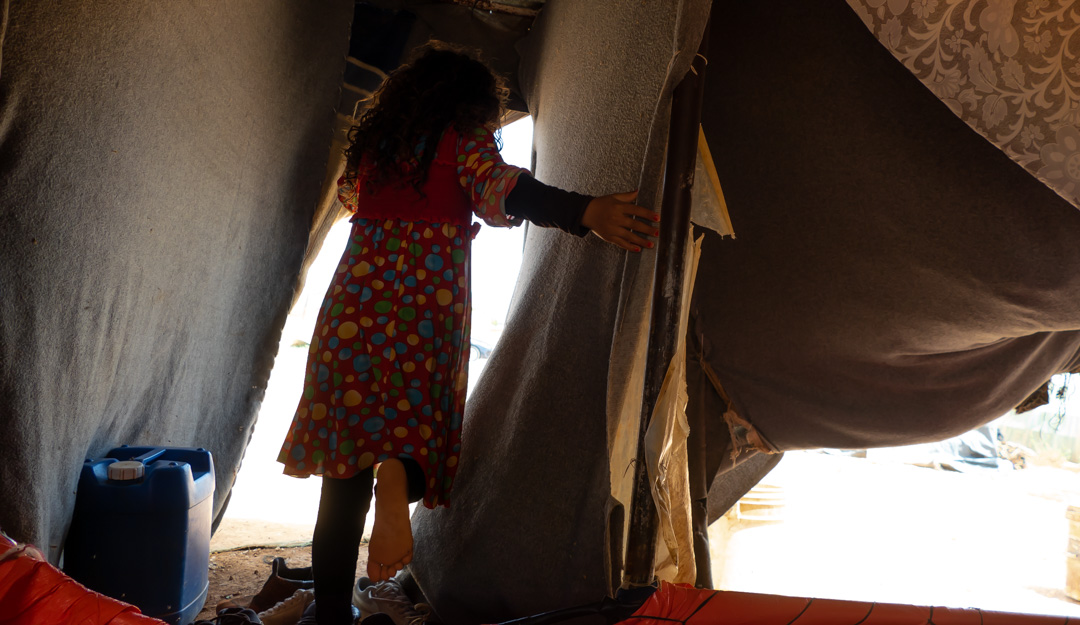
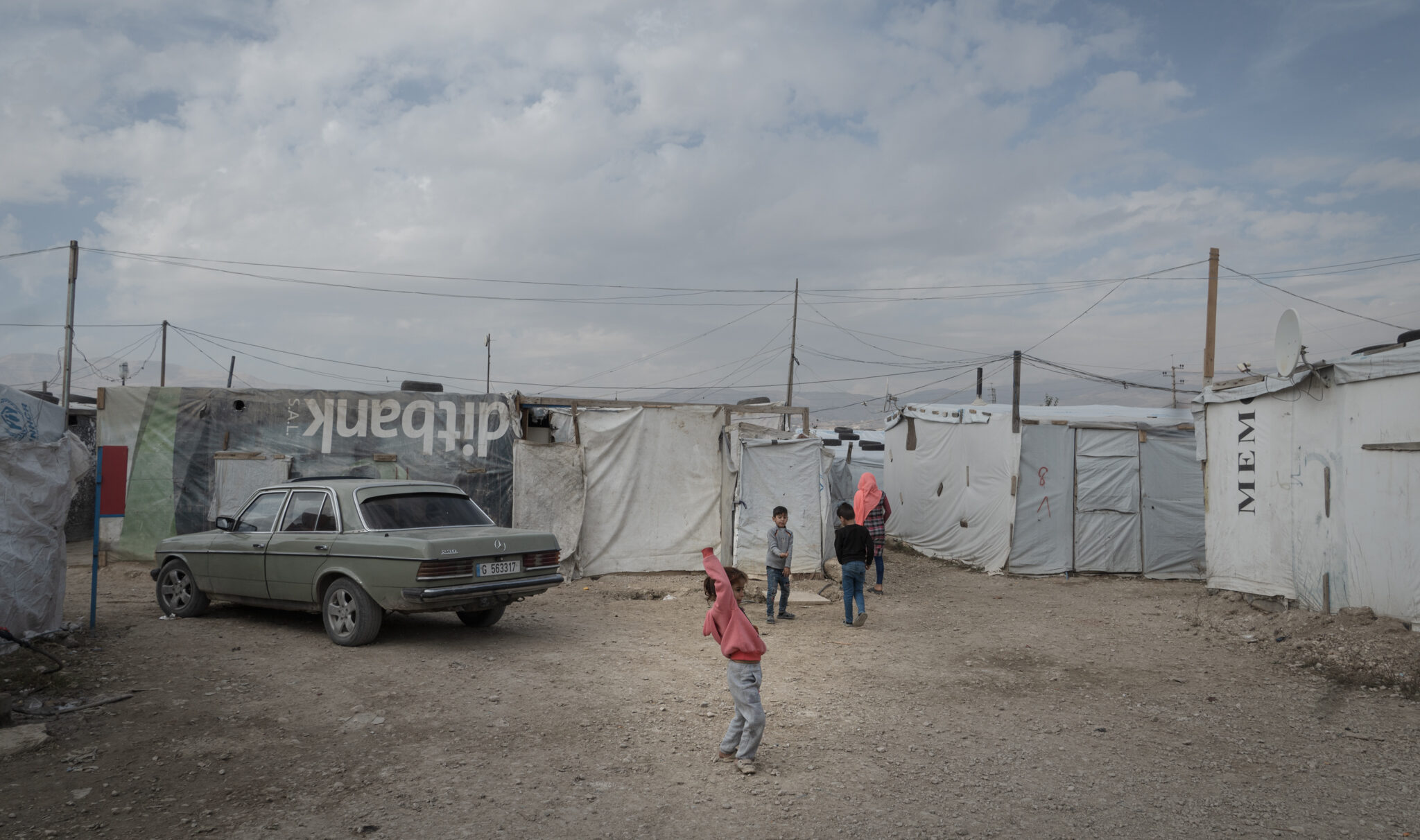
Lebanon
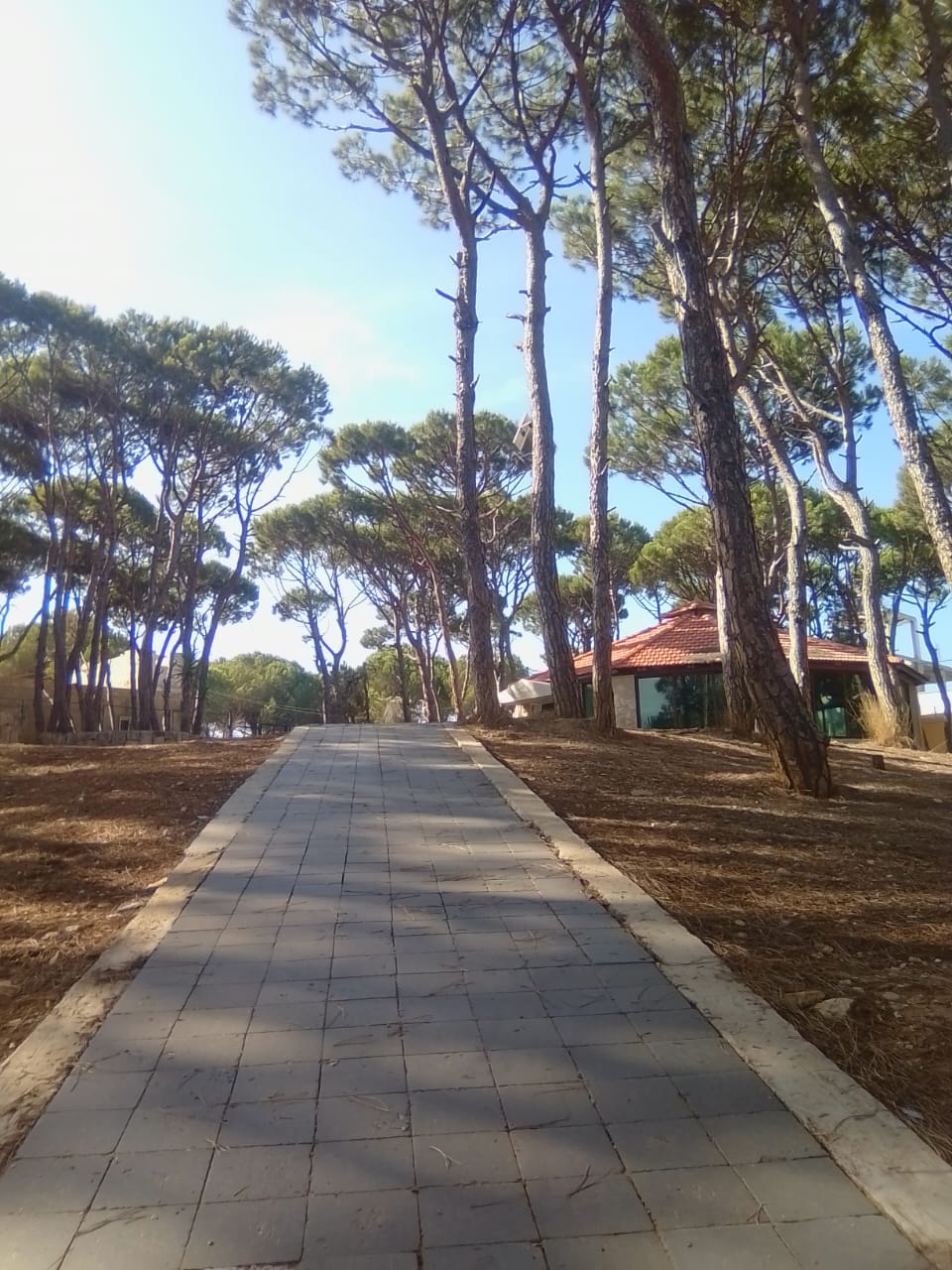
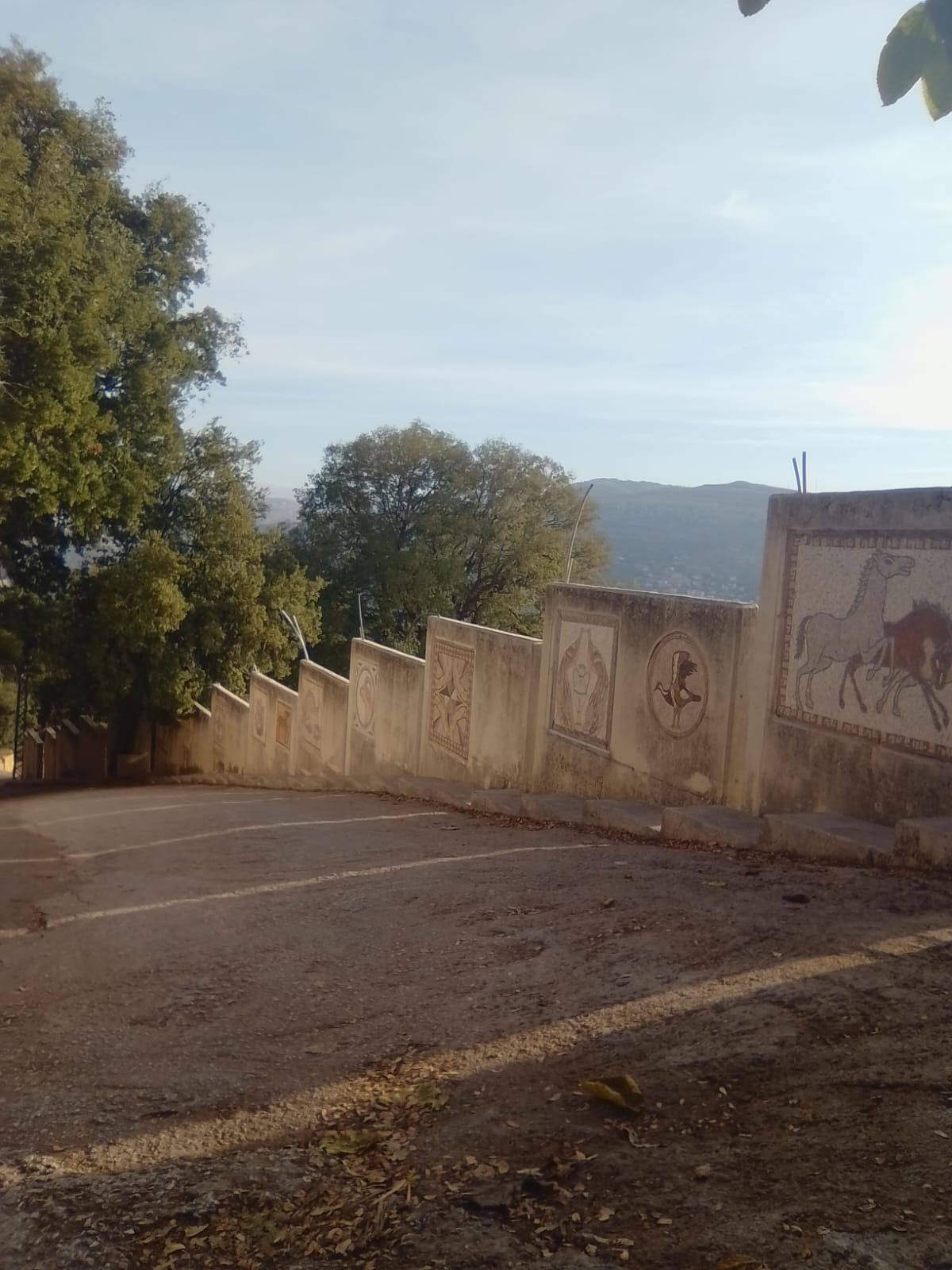
Since 2019, Lebanon has been facing a complex humanitarian crisis that began with the worst economic and financial collapse in the country’s history. This crisis has been further exacerbated by the escalation of the regional conflict, which has led to increased poverty, the collapse of public services, and the weakening of institutions, infrastructure, and the Lebanese economy as a whole. Today, humanitarian needs amount to approximately 4.1 million people requiring assistance; 1.6 million were experiencing acute food insecurity, and internally displaced persons are estimated at around 899,700 across Lebanon. These figures are compounded by the still high number of Syrian refugees, estimated at 710,000, and 470,000 Palestinian refugees.
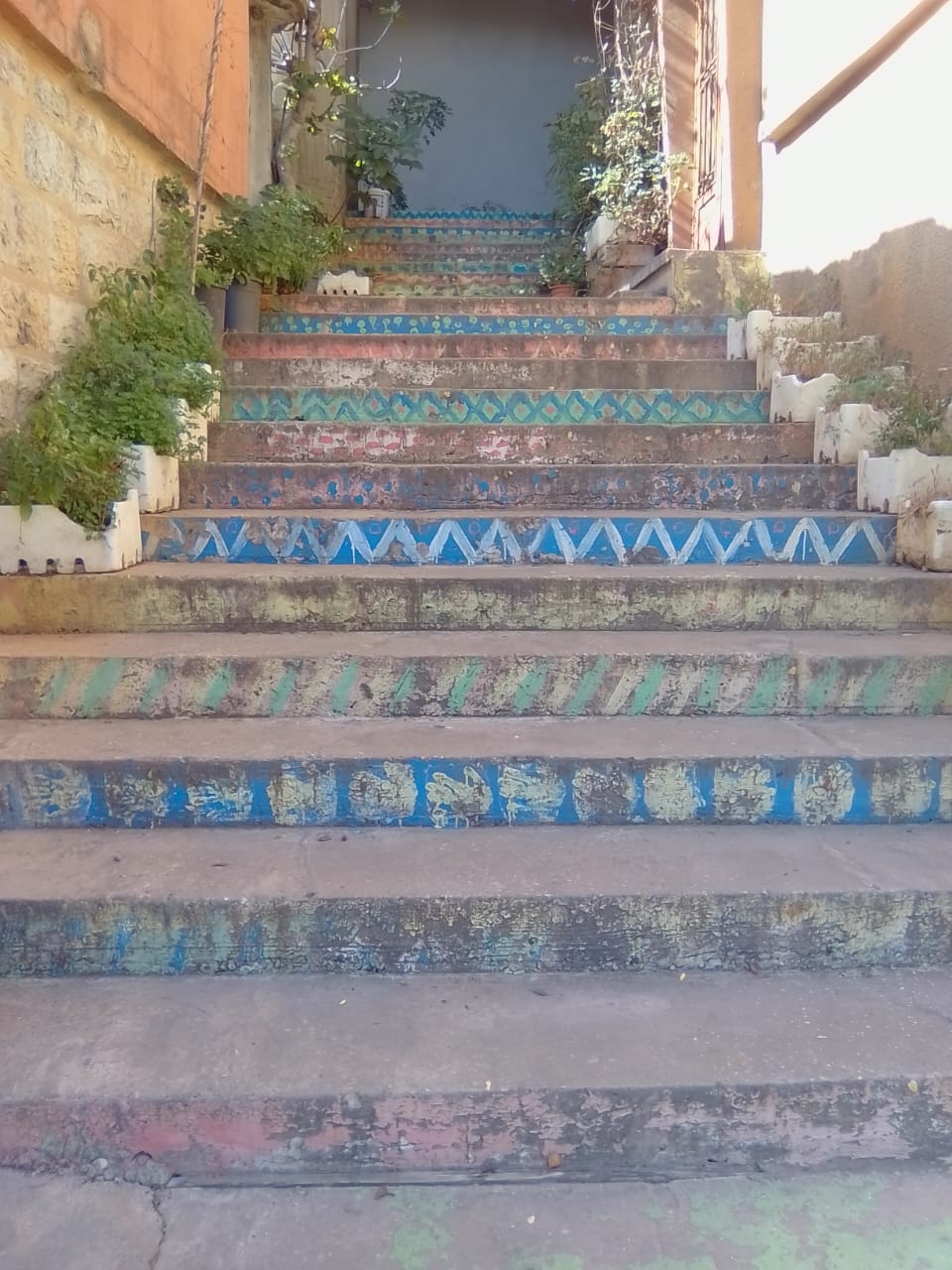
Jordan
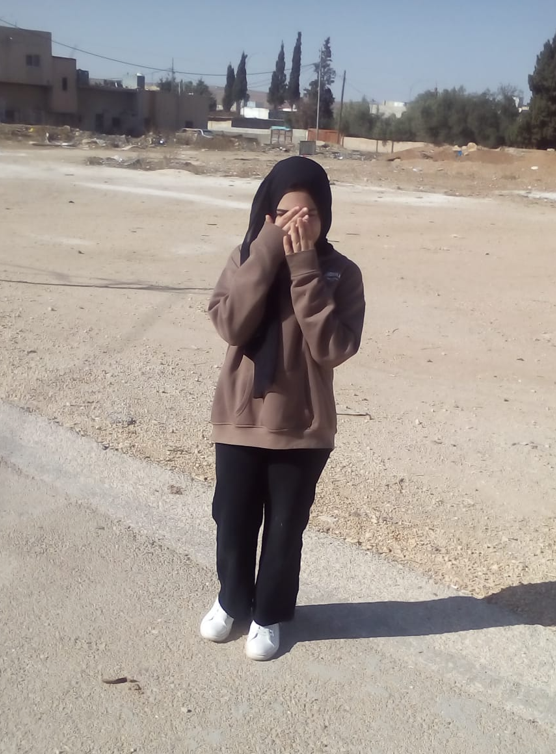
Jordan has been hosting Syrian refugees since the start of the Syrian crisis in 2011. 67% of the Syrian refugees outside the camps live below the poverty line. Most Syrian families are relying on humanitarian assistance to meet their basic needs. Since the fall of the Assad regime in Syria on 8 December 2024, nearly 173,000 refugees registered with UNHCR have returned from Jordan to Syria. Jordan currently hosts 427,351 Syrian refugees registered with UNHCR as of December 2025, in addition to 30,895 registered refugees from Iraq, Yemen, Sudan, and Somalia, and over 18,000 Palestinian refugees from Syria. However, the total number of refugees/Asylum seekers, including those not registered, is estimated at around 1.1 million (11% of the total population).
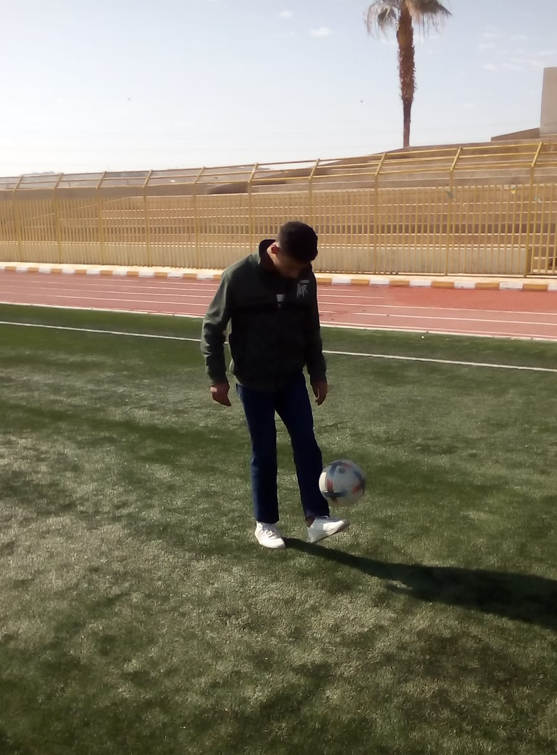
Syria
The Syrian people have been living with war since 2011, the year that marked the beginning of an internal conflict that has caused destruction and the flight of millions of people, as well as a high number of casualties, injuries, and displaced persons. Despite periods of apparent calm and attempts to achieve stability over the years, the country’s socio-economic and political situation remains highly complex, even after and despite the change of government in December 2024. The humanitarian figures show the extent of the problem: according to the latest analysis by OCHA (the United Nations Office for the Coordination of Humanitarian Affairs), 16.5 million people need aid, more than 1.9 million are internally displaced, and more than 1.2 million Syrian refugees who returned to Syria from neighboring countries and beyond since the end of 2024. Today, a large part of the population is homeless and without access to basic services such as medical care, drinking water, food, and education.